Again, it is a worldwide military issue which has been masked with the Epstein files, Ukraine, Gaza, North Korea etc. That’s what happens, when occasionally St. Georges become dragons themselves….It needs to be dealt with by diplomats, medical establishment and scientists, on the internationale platform, the militaries will be forced to lift the bans on the information.
We got into this planetary mess partially through an encounter with the MOST MOST HOLY CREATOR of the Universe, It is absolutely out of question that such a sacred, utterly unimaginable event for human mind would be submitted to the public peer reviewing, seen under the above news articles.
Regarding true/false reporting – the upcoming social credit system will clear all doubts of all people.
V l á d n í n á v r h ZÁKON ze dne …… 2025 o výzkumu, vývoji, inovacích a transferu znalostí Parlament se usnesl na tomto zákoně České republiky: ČÁST PRVNÍ ÚVODNÍ USTANOVENÍ § 1 Předmět úpravy Tento zákon upravuje v návaznosti na přímo použitelné předpisy Evropské unie1)
a) práva a povinnosti osob a organizačních složek státu zabývajících se vědeckou činností spočívající ve výzkumu, vývoji, inovacích a transferu znalostí podporovanou z veřejných prostředků,
b) ochranu vědecké integrity, dobré vědecké praxe a ochranu etiky výzkumu,
c) výdaje státního rozpočtu na výzkum, vývoj, inovace a transfer znalostí a podmínky poskytování podpory na výzkum, vývoj, inovace a transfer znalostí,
d) poskytování informací o výzkumu, vývoji, inovacích a transferu znalostí,
e) působnost orgánů veřejné správy v oblasti výzkumu, vývoje, inovací a transferu znalostí.
1)Čl. 107 až 109 Smlouvy o fungování Evropské unie.
Prostudovat si podrobně tento zákon by mělo být předmětem zájmu všech relevantních médií, kdyby nebylo kdyby. Pro běžného čtenáře je matoucí, protože v jedné jeho verzi se mluví o povinnosti zřídit si vlastní etické komise (jinými slovy každé výzkumné pracoviště si může vytvořit svůj specifický kodex, byť orientačně vázaný na kodex Evropské unie a může úkolem pověřit externí firmu), a v druhé verzi se píše, že její zřízení je fakultativní, tedy nezávislé. Která z nich je tedy právně platná? Lze předpokládat, že v našem systému určitě obě:
První verze: Hlava II, § 6 Zásady činnosti ve výzkumu, vývoji, inovacích a transferu znalostí
Etika výzkumu, vědecká integrita a dobrá vědecká praxe
(3) V rámci vnitřního systému pro ochranu etiky výzkumu, vědecké integrity a dobré vědecké praxe je příjemce institucionální podpory a příjemce systémové podpory povinen zřídit jednu nebo více etických komisí a stanovit pravidla pro její jednání, včetně pravidel řešení podjatosti, nebo zajistit výkon činností etické komise prostřednictvím etické komise jiného příjemce.
(4) Příjemce zajistí posouzení etickou komisí u výzkumu na člověku nebo na biologickém materiálu lidského původu, projektů zahrnujících práci s pokusnými zvířaty, práci s geneticky modifikovanými organismy nebo u projektů výzkumu umělé inteligence. xxxxxxxxxxxxxxxxxxxxxxxxxxxxxxxxxxxxxxxxxxxxxxxxxxxxxxx Druhá verze: Komise pro etiku výzkumu a vědeckou integritu: V předkládaném návrhu zákona je stanoveno, že výzkumná organizace pro dodržování zásad etiky výzkumu a vědecké integrity MŮŽE zřídit komisi pro etiku výzkumu a vědeckou integritu. Obdobně to platí i u poskytovatelů.
Tato možnost je fakultativní, není závazná.
Předpokládá se, že výdaje na zavedení etiky ve výzkumu, vývoji, inovacích a transferu znalostí budou součástí výdajů státního rozpočtu na výzkum, vývoj, inovace a transfer znalostí. To znamená, že uplatnění těchto nástrojů nevyvolá žádné nadpožadavky nad schválený rozpočet. Nepředpokládá se, že by činnost etické komise, jejíž zřízení je dobrovolné (použito slovo „mohou“), měla vyvolat velké náklady. Očekávají se jednotky řešených případů ročně (viz. informace od AV ČR o 2 až 3 případech ročně). Dovede si někdo představit, co se bude pod různými etickými komisemi skrývat? Dosaďme si do rovnice můj případ. Mohu Vás všechny ujistit, že nejde o 2 až 3 případy ročně. A také nejde pouze o fyziologické a psychologické experimenty. Mluvíme o psychických pokusech, které se v pravých esoterických školách bez speciálních příprav a vedení nepraktikují. Bohužel jsou již aplikovány na světském obyvatelstvu a mnohdy na dětech, jak je možné usoudit z jejich rozhovorů. Kdo má nad touto činností kontrolu? Jaký stupeň “clearance” mají naši vědci a bezpečnostní složky státu? Kdo bude tvořit etické komise? Z textu vyplývá, že vyhrazené finance (jdoucí z vědeckého rozpočtu) budou pokud možno co nejnižší. Také se objevuje zvědavá otázka, jak může být výhradně technokraticky zaměřená sekulární společnost nositelem evolučního pokroku v jednadvacátém století….
Leaving out all worldly views and looking at the issue thoroughly from the esoteric aspects, with full awareness of not knowing the hidden agendas and symbols attached to it, it does not sound right. Highly disturbing is not just the so called ‘aftertaste’ but already beforetaste. We live in 2025 AD, not BC. With not only the OT heritage but the NT as well…. Should not we first separate the hidden agendas like the military’s and general public’s mutual misuse of still clandestine directed energy technologies/weapons deployed on civilians, apparently by all sides and not exclusively in Gaza hence Ukraine conflict but literally everywhere on our planet in one form or anoter?
The destructive abilities of the sound were documented in Jericho’s story. Nowadays even drones can affect the human organism. My personal experiences have verified their existence and usage on humans, just a split of a second can evoke excruciating pain in the ear, lasting for few days. Some targeted people get it for months, even years. It can evoke vomiting, inflammation of the bones, disorientation, pain in every organ of the body, it can rape us and it can even experiment with our consciousness and subconsciousness. At the same time, sound can have the totally reversible effects of instant healing. In other words, our neurological systems are remotely manipulated, unwittingly without our consent. We have no laws that would regulate its usage and protect us against its harmful misuse. Leaving aside the political aspects, the whole planet is waiting for the global authorities to face 8 billion people and explain to them these new psychotronic technologies the militaries and police use to control the masses. The leadership of the planet does not own the planet, does not own its habitat, it is only the unelected group of people whose task or aim ought to be the responsible management of ALMIGHTY’s property according to the objective laws of HIS Universal creation, not a battlefield of egoes, “fighting for the green apples.”
similar to Havana syndrom. When will doctors come forward and present the overwhelming evidence of people, targeted with directed psychotronic energies???? Behavioral scientists used cats decades ago to demonstrate their responses to them according to level of stimuli. It started with purring and by intensifying the stimuli it eventually ended up by violent rage. Since then we progressed to targeting humans, directly to violent rage state. bringing hell to earth. When the ancient esoteric knowledge gets into the scientists’ hands….as Beelzebub predicted long ago.
Wikipedia:
Misophonia (or selective sound sensitivity syndrome, sound-rage) is a disorder of decreased tolerance to specific sounds or their associated stimuli, or cues.
These cues, known as “triggers”, are experienced as unpleasant or distressing and tend to evoke strong negative emotional, physiological, and behavioral responses that are not seen in most other people.[4]
Misophonia and misophonic symptoms can adversely affect the ability to achieve life goals and enjoy social situations. It was first recognized in 2001,[5] though it is still not in the DSM-5 or any similar manual.[6][7][8][9][5] For this reason it has been called a “neglected disorder”.[10]
Reactions to trigger sounds range from annoyance to anger, with possible activation of the fight-or-flight response. Misophonia responses do not seem to be elicited by the loudness of the sound, but rather by its specific pattern or meaning to the hearer. Triggers are commonly repetitive stimuli and are primarily, but not exclusively, related to the human body, such as chewing, eating, smacking lips, slurping, coughing, throat clearing, sniffing, and swallowing. Once a trigger stimulus is detected, people with misophonia may have difficulty distracting themselves from the stimulus and may experience suffering, distress, and/or impairment in social, occupational, or academic functioning. The expression of misophonia symptoms varies, as does the severity, which ranges from mild to severe. Some people with misophonia are aware that their reactions to misophonic triggers are disproportionate to the circumstances. Misophonia symptoms are typically first observed in childhood or early adolescence.[4] Studies have shown that misophonia can cause problems in school, work, social life, and family.[11]
The term was coined in 2001 by professor Pawel Jastreboff and doctor Margaret M. Jastreboff, with the assistance of the classicist Guy Lee,[12][13] introducing it in their article “Hyperacusis”,[14] with further explanation in the International Tinnitus and Hyperacusis Society’s ITHS Newsletter.[5]
The term “misophonia” was first used in a peer-reviewed journal in 2002.[15] Before that, the disorder was more commonly called “Selective Sound Sensitivity Syndrome”, or “4S”, named by audiologist Marsha Johnson. Others have proposed “Conditioned Aversive Response Disorder” (C.A.R.D.) as a more suitable name.[16]
“Misophonia” comes from the Ancient Greek words μῖσος (IPA: /mîː.sos/), meaning “hate”, and φωνή (IPA: /pʰɔː.nɛ̌ː/), meaning “voice” or “sound”, loosely translating to “hate of sound”, and was coined to differentiate the condition from other forms of decreased sound tolerance such as hyperacusis (hypersensitivity to certain frequencies and volume ranges) and phonophobia (fear of sounds).[3][17][5]
As of 2016, the literature on misophonia was limited.[9] Some initial small studies showed that people with misophonia generally have strong negative feelings, thoughts, and physical reactions to specific sounds, which the literature calls “trigger sounds”. These sounds usually appear quiet or unnoticeable to others, but can seem loud, or at least unpleasantly magnified, to the person with misophonia. One study found that around 80% of the sounds were related to the mouth (e.g., eating, slurping, chewing or popping gum, whispering, whistling, nose sniffing) and around 60% were repetitive. But more recent research provides neural evidence for non-orofacial triggers.[18] A visual trigger may develop related to the trigger sound,[9][19] and a misophonic reaction can occur in the absence of a sound (examples include leg swinging, hair twirling, and finger pointing).[3][2]
Reactions to triggers can range from mild (anxiety, discomfort, and/or disgust) to severe (rage, anger, hatred, panic, fear, and/or emotional distress).[8] There may be unwanted sexual arousal.[20][21][22][23][24][25][26] This latter symptom appears to have certain parallels to the corresponding subtype of obsessive-compulsive disorder[27][28][29] and is likewise often misunderstood and underreported for fear of misinterpretative stigma, but it is common.
Reactions to the triggers can include aggression toward the origin of the sound, leaving, remaining in its presence but suffering, trying to block it, and trying to mimic the sound.[19] Reactions can also include physical responses, such as increased heart rate, tightness in the chest and head, and hypertension.[3]
The first misophonic reaction may occur when a person is young, often between the ages of 9 and 13,[8] and can originate from someone in a close relationship, or a pet.[19]
Fear and anxiety associated with trigger sounds can cause the person to avoid important social and other interactions that may expose them to these sounds. This avoidance and other behaviors can make it harder for people with this condition to achieve their goals and enjoy interpersonal interactions.[3] It can also have a significant negative effect on their careers and relationships.[30]
Combined studies have illustrated that 45% of cases of misophonia became worse over time without treatment.[11]
Misophonia’s mechanism is not yet fully understood, but it appears that it may be caused by a dysfunction of the central nervous system in the brain and not of the ears.[9][2] The perceived origin and context of the sound appears to play an important role in triggering a reaction.[2]
A 2017 study[31] found that the anterior insular cortex (which plays a role both in emotions like anger and in integrating outside input, such as sound, with input from organs such as the heart and lungs) causes more activity in other parts of the brain in response to triggers, particularly in the parts responsible for long-term memories, fear, and other emotions. It also found that people with misophonia have higher amounts of myelin (a fatty substance that wraps around nerve cells in the brain to provide electrical insulation). It is not clear whether myelin is a cause or an effect of misophonia and its triggering of other brain areas.[32]
A 2021 study found that the orofacial motor cortex, a part of the brain representing lip, jaw, and mouth movement, has enhanced activation for typical trigger sounds much more than for aversive or neutral sounds in misophonia sufferers. It also found enhanced functional connectivity between orofacial motor cortex and secondary auditory cortex during sound perception for any sound. It further reported resting state fMRI functional connectivity between orofacial motor cortex and secondary auditory and visual brain areas as well as secondary interoceptive cortex (left anterior insula). This suggests that misophonia, which is typically thought of as a disorder of sound emotion processing, is a result of overactivation of the motor mirror neuron system involved in producing the movements associated with these trigger sounds or images.[33]
In 2022, clinical and scientific leaders convened to create a consensus definition of misophonia,[4] agreeing that it is a disorder of decreased tolerance to specific sounds and their associated stimuli. Before this consensus definition was reached, scholars and clinicians debated how to describe and define misophonia, which has limited comparison of study cohorts and hampered the development of standard diagnostic criteria.[4]
Misophonia is distinguished from hyperacusis, which is not specific to a given sound and does not involve a similar strong reaction, and from phonophobia, which is a fear of loud sounds,[19] but it may occur with either.[34] There are no standard diagnostic criteria,[6][19] and many doctors are unaware of the disorder.[8]
The diagnosis of misophonia is not recognized in the DSM-IV or the ICD-11, and it is not classified as a hearing or psychiatric disorder.[19] It may be a form of sound–emotion synesthesia, and has parallels with some anxiety disorders.[9] A 2022 structured study of prominent researchers resulted in the creation of the consensus definition of misophonia, determining that misophonia should be classified as a disorder, and not a symptom of another condition or syndrome.[8][4] During the early phase of research on misophonia, it was defined by different criteria with variable methods used to diagnose and assess symptom severity. As a result of lack of consensus about how to define and evaluate misophonia, comparisons between study cohorts were difficult, measurement tools were not psychometrically well-validated, and the field could not rigorously assess the efficacy of different treatment approaches. The creation of the definition serves as the foundation of future diagnostic criteria and validated diagnostic tools, and brings cohesion to the diverse and interdisciplinary misophonia research and clinical communities.[4][8]
Health care providers generally try to help people cope with misophonia by recognizing what the person is experiencing and working on coping strategies.[19] A majority of smaller studies done on the subject have focused on the use of tinnitus retraining therapy, cognitive behavioral therapy and exposure therapy, which is believed to decrease the person’s awareness of their trigger sounds.[3] These treatment approaches have not been sufficiently studied to determine their effectiveness.[3][17] Other possible treatment options have been theorized by researchers, including acceptance-based approaches and mindfulness.[3] Ultimately, it is speculated that treatment methods may vary significantly in effectiveness from patient to patient.[3]
Minimal research has been conducted on the possible effects of neuromodulation and pharmacologic treatments. A study published in 2022 suggests that some forms of misophonia treatment may vary in effectiveness based on the preference of each patient, particularly in cases of parents with children who have misophonia.[50] In addition, the use of propranolol has also been found to be helpful in some patients.[51]
Clomipramine has anecdotally been found to be of use in at least a certain subset of people suffering from disorders allied with hyperacusis;[52] given its success in the treatment of obsessive-compulsive disorder, it may have a place in the treatment of misophonia,[53] which appears to have parallels with both conditions. Clomipramine does appear to have a distinct potential mediating effect on auditory-tone processing.[54][55] One specific phenomenon observed to this end with clomipramine in at least one instance is reduced electrodermal reactivity to innocuous auditory stimuli.[56]
Large-scale research has not yet been conducted, but observation of coping strategies people with misophonia use has shown some consistent results.[3] People with misophonia often cope by avoiding distressing situations and/or distracting themselves from such situations,[58] for example by using earplugs or headphones, mimicking trigger sounds, and playing music.[30]
The Sequent Repatterning therapy process is associated with this logo, registered in 2019
Sequent Repatterning therapy for misophonia (SRT) aims to break the link between the trigger and the emotional response. Developed in the United Kingdom by Christopher Pearson in 2014, the therapy has become more widely available. It is based on the idea that emotional responses are learned and consolidated over time, rather than innate, which makes it a form of cognitive behavioral therapy.[59]
Sequent Repatterning therapy’s development began in 2012 when Pearson applied aspects of hypnotherapy, parts work therapy, and NLP to create a therapy model for misophonia. He presented his work to the International Association of Neuropsychotherapy in 2017 and an article, “Reviewing Misophonia and its Treatment”,[60] was published in International Journal of Neuropsychotherapy later that year. Pearson also contributed to the proposals for diagnostic criteria for misophonia, published in Frontiers.[61] Sequent Repatterning practitioners apply these diagnostic steps when assessing potential clients. These criteria were more recently referenced in psychometrically assessing the condition by Williams, et al.[62]
Since 2001, published, peer-reviewed work on misophonia has increased almost exponentially. A significant increase has been seen since 2017, when SRT was initially proposed. Its development has continued and during the last five years has embraced the therapeutic reconsolidation process (TRP, a key feature of coherence therapy) as a key element.
For those with misophonia, therapy often begins with a structured program with a qualified therapist. This program has four phases:
Pre-therapy
Foundation
Active therapy
Future pacing
and is usually completed over about three months. At the conclusion of the active therapy phase, about 80% of those engaging with the process achieve a significant improvement in symptom severity, as measured by the scale MAQ-4. The reduction in MAQ-4 score that aligns with “significant improvement” is 20%. As of 2023, the arithmetic average improvement of those 80% is around 70%.
Training for SRT practitioners is restricted to those who already have specific skills and credentials. Those assigned the status of Certified Sequent Repatterning Practitioner have completed a comprehensive training course and assessment of a case study.
Research is still being conducted on misophonia’s global prevalence, but a 2023 study found its prevalence in the UK to be around 18%.[63] This study has been cited in popular outlets, including BBC,[64]Medscape,[65] and Medical Xpress.[66] Studies of misophonia’s global prevalence have found it to be as low as 5% and as high as 20%.[63] Its prevalence and severity seem to be similar across genders.[63] In the U.S., it is estimated that 3% of people are affected by misophonia. But in multiple studies, it was determined misophonia may be underdiagnosed (it is not yet an officially diagnosable condition), as it is correlated with other auditory disruptions; 92% of patients who are hyperaware of sounds also have misophonia.[11] There is evidence that significant numbers of undergraduate students in some psychology and medical-science departments suffer from misophonia.[67] The University of Nottingham conducted a study of misophonia in one sample of undergraduate medical students.[68] In 2017, similar rates were found in one university in China,[69] suggesting that the disorder is not specific to a culture.
It may be the case that people with misophonia are more likely to have high fluid intelligence.[70]
Some people[who?] have sought to relate misophonia to autonomous sensory meridian response, or auto-sensory meridian response (ASMR), a pleasant form of paresthesia, a tingling sensation that typically begins on the scalp and moves down the back of the neck and upper spine.[71] ASMR is described as the opposite of what can be observed in reactions to specific audio stimuli in misophonia.[72] There are plentiful anecdotal reports of people who claim to have both misophonia and ASMR. Common to these reports is the experience of ASMR in response to some sounds and misophonia in response to others.[72][73][74]
^ Jump up to:abcdefgh Swedo S, Baguley DM, Denys D, Dixon LJ, Erfanian M, Fioretti A, Jastreboff PJ, Kumar S, Rosenthal MZ, Rouw R, Schiller D (2021). “A Consensus Definition of Misophonia: Using a Delphi Process to Reach Expert Agreement”. medRxiv10.1101/2021.04.05.21254951v1.
^ Blegvad-Nissen C, Thomsen PH (23 November 2015). “Misofoni er overset” [Misophonia is a neglected disorder] (PDF). Ugeskrift for Laeger (in Danish). 177 (48): V04150309. PMID26617171.
^ Dozier TH (30 April 2015). “Etiology, composition, development and maintenance of misophonia: A conditioned aversive reflex disorder”. Psychological Thought. 8 (1): 114–129. doi:10.23668/psycharchives.1966.
^ Bruxner G (April 2016). “‘Mastication rage’: a review of misophonia – an under-recognised symptom of psychiatric relevance?”. Australasian Psychiatry. 24 (2): 195–197. doi:10.1177/1039856215613010. PMID26508801. S2CID7106232.
^ Iskander S, Barahmand U, Soni M, Kaur R, Arnero D (December 2023). “Neurological Underpinnings of Psychological Factors Distinguishing Obsessive-Compulsive Disorder From Misophonia”. Psychiatric Annals. 53 (12): 570–580. doi:10.3928/23258160-20231106-02. S2CID266306012.
^ Jastreboff PJ, Jastreboff MM (2015). “Decreased sound tolerance”. In Aminoff MJ, Boller F, Swaab DF (eds.). The Human Auditory System – Fundamental Organization and Clinical Disorders. Handbook of Clinical Neurology. Vol. 129. Elsevier. pp. 375–87. doi:10.1016/B978-0-444-62630-1.00021-4. ISBN978-0-444-62630-1. PMID25726280.
^ Smit DJ, Bakker M, Abdellaoui A, Hoetink AE, Vulink NC, Denys D (9 September 2022). “Genetic evidence for the link of misophonia with psychiatric disorders and personality”. medRxiv10.1101/2022.09.04.22279567.
^ Zai G, Dembo J, Levitsky N, Richter MA (27 September 2022). “Misophonia: A Detailed Case Series and Literature Review”. The Primary Care Companion for CNS Disorders. 24 (5). doi:10.4088/PCC.21cr03124. PMID36179361. S2CID252645598.
^ Storch EA, Mckay D, Abramowitz JS, eds. (2019). Advanced Casebook of Obsessive-Compulsive and Related Disorders: Conceptualizations and Treatment. Academic Press. ISBN978-0-12-816557-7.[page needed]
^ Webber TA, Johnson PL, Storch EA (March 2014). “Pediatric misophonia with comorbid obsessive–compulsive spectrum disorders”. General Hospital Psychiatry. 36 (2): 231.e1–231.e2. doi:10.1016/j.genhosppsych.2013.10.018. PMID24333158.
^ Reid AM, Guzick AG, Gernand A, Olsen B (July 2016). “Intensive cognitive-behavioral therapy for comorbid misophonic and obsessive-compulsive symptoms: A systematic case study”. Journal of Obsessive-Compulsive and Related Disorders. 10: 1–9. doi:10.1016/j.jocrd.2016.04.009.
^ Kozak MJ, Rossi M, McCarthy PR, Foa EB (November 1989). “Effects of imipramine on the autonomie responses of obsessive-compulsives to auditory tones”. Biological Psychiatry. 26 (7): 707–716. doi:10.1016/0006-3223(89)90105-4. PMID2804191. S2CID26076762.
^ Zahn TP, Insel TR, Murphy DL. Psychophysiological changes during pharmacological treatment of patients with obsessive compulsive disorder. Br J Psychiatry. 1984 Jul;145:39-44. doi: 10.1192/bjp.145.1.39. PMID 6378303.
^ Zahn TP, Insel TR, Murphy DL (July 1984). “Psychophysiological Changes during Pharmacological Treatment of Patients with Obsessive Compulsive Disorder”. British Journal of Psychiatry. 145 (1): 39–44. doi:10.1192/bjp.145.1.39. PMID6378303.
^ Dannon PN, Sasson Y, Hirschmann S, Iancu I, Grunhaus LJ, Zohar J (May 2000). “Pindolol augmentation in treatment-resistant obsessive compulsive disorder: a double-blind placebo controlled trial”. European Neuropsychopharmacology. 10 (3): 165–169. doi:10.1016/S0924-977X(00)00065-1. PMID10793318. S2CID28452756.
^ (N.d.). Psychometric Validation of a Brief Self-Report Measure of Misophonia Symptoms and Functional Impairment: The Duke-Vanderbilt Misophonia Screening Questionnaire. Williams, Z. J., Cascio, C. J., & Woynaroski, T. G. (2022). Psychometric validation of a brief self-report measure of misophonia symptoms and functional impairment: The duke-vanderbilt misophonia screening questionnaire. Frontiers in Psychology, 13. https://doi.org/10.3389/fpsyg.2022.897901
^ Zhou X, Wu MS, Storch EA (July 2017). “Misophonia symptoms among Chinese university students: Incidence, associated impairment, and clinical correlates”. Journal of Obsessive-Compulsive and Related Disorders. 14: 7–12. doi:10.1016/j.jocrd.2017.05.001.
^ Watson L (2022). Investigation of a Misophonia and Fluid Intelligence Relationship: Sound Spectrum Variation Impact on Fluid Intelligence Task Responses (Thesis). doi:10.58809/MYID1761.[page needed]
^ Mahady A, Takac M, De Foe A (March 2023). “What is autonomous sensory meridian response (ASMR)? A narrative review and comparative analysis of related phenomena”. Consciousness and Cognition. 109: 103477. doi:10.1016/j.concog.2023.103477. PMID36806854. S2CID256874981.
^ Desborough J (26 July 2018). “Kelly Osbourne reveals strange phobia which causes her to rip food from people’s mouths”. mirror.co.uk. As the Loose Women panel discussed irritating habits that their husbands might have, she told Jane Moore: “I have misophonia, it’s a phobia of mouth noises. I can’t handle it.” Kelly revealed she can’t bear the sound of loud eating, which is a problem for her dating as she as men often have “bigger mouths” than women .. Misophonia is technically a phobia of sounds in general, and is sometime referred to as “sound rage” as people become enraged just by noises which seem to rub them up the wrong way.
https://www.brighteon.com/72668f71-1707-4a77-aa92-2b970c6f34b1 Obviously there is black magic in operation at the highest places and the ongoing planetary psyop experiments have reached the point of insanity. Yes, Noah’s Arch, but should not we at least try to prevent it?
Dne 9. prosince 2023 zveřejnila tisková služba Evropského parlamentu tiskovou zprávu, ve které psala, že EP dosáhl politické dohody s Radou Evropské Unie o “návrhu zákona, který měl zajistit, že Evropa bude bezpečná a bude respektovat základní lidská práva a demokracii”. Budoucí zákon měl zakázat “systémy umělé inteligence, které manipulují lidské chování a likvidují lidskou svobodnou vůli”. Tisková služba uváděla, že poslanci se také “shodli” na “jasných závazcích” ohledně “systémů umělé inteligence, používaných k ovlivňování výsledků voleb a chování voličů” https://www.europarl.europa.eu/news/en/press-room/20231206IPR15699/artificial-intelligence-act-deal-on-comprehensive-rules-for-trustworthy-ai .
Druhého února 2024 dostaly od Evropské komise tuto odpověď: “Děkujeme za výše uvedený dopis, který vyvolal naši maximální pozornost. Odpověď na Váš dopis vyžaduje další práci, která v současné době probíhá. Za normálních okolnosti můžete očekávat odpověď během jednoho měsíce od našeho obdržení tohoto dopisu”. Dvanáctého února Evropská komise lidskoprávním organizacím odpověděla ještě jednou. Tentokrát psala: “Váš dopis z 10. listopadu byl předán naším službám a byl kladně přijat”https://www.svobodamysleni.cz/wp-admin/post.php?post=203&action=edit.
Rozhodly se USA, odhodlané využít těchto svých projektů k ovládnutí světa, zastavit úsilí Evropské unie o obranu základních lidských práv před zneužitím neurotechnologií a umělé inteligence? Byla EU, která se čerstvě zbavila dodávek ruského zemního plynu a převedla svou energetickou bezpečnost z Ruska na USA, znovu vystavena politickému nátlaku, kterému tentokrát nebyla schopná čelit, pokud nechtěla přijít o svou prosperitu?
Dne 13. března 2024 schválil Evropský parlament legislativní rezoluci, která stanovila harmonizovaná pravidla pro umělou inteligenci. Na straně 29 této rezoluce se píše: “Manipulativní techniky založené na AI lze použít k přesvědčování osob k nežádoucímu chování nebo k jejich klamání tím, že je podněcují k přijímání rozhodnutí tak, že je podkopávána a narušována jejich autonomie, rozhodování a svobodná volba. Uvádění na trh nebo do provozu nebo používání určitých systémů AI s cílem podstatně ovlivnit lidské chování nebo s takovým účinkem, kdy je pravděpodobné, že bude dotčeným osobám způsobena značná újma, zejména pokud jde o dostatečně významné nepříznivé dopady na fyzické či psychické zdraví nebo finanční zájmy, je obzvláště nebezpečné, a proto by mělo být zakázáno. Tyto systémy AI využívají podprahové signály, jako jsou zvukové a obrazové stimuly a videostimuly, které člověk není schopen vnímat, neboť jsou mimo rámec lidského vnímání, nebo jiné manipulativní nebo klamavé techniky, které narušují nebo oslabují autonomii, schopnost rozhodování nebo svobodnou volbu člověka tak, že tento vliv vědomě nezaznamená, nebo pokud si jej uvědomí, přesto se nechá oklamat nebo není schopen jej ovládat nebo mu odolat. To by mohlo být usnadněno například rozhraními stroj–mozek nebo virtuální realitou, neboť umožňují větší kontrolu nad tím, jakým stimulům je jedinec vystaven, pokud mohou tyto stimuly značnou měrou a výrazně škodlivým způsobem narušit jejich chování” https://www.europarl.europa.eu/doceo/document/TA-9-2024-0138_CS.pdf .
Dokument Evropského parlamentu neuvádí, že takových účinků může být dosaženo také na dálku elektromagnetickými vlnami, které mohou zasáhnout nejen jednotlivce, ale i masy lidí. V dokumentu se ani nenavrhuje vytvoření agentur, u kterých by si občané mohli stěžovat v případě, že by byli vystaveni takovému porušování jejich základních lidských práv, ať už reklamními agenturami, korporacemi, mafiemi nebo státními orgány. Pokud nebude zveřejněna existence technologií, umožňujících dálkové ovládání činnosti lidských mozků, může být pro lidi obtížné pochopit, co se jim vlastně děje a mohou si dokonce myslet, že jsou duševně nemocní. Za takových okolností budou mít vlády otevřenou možnost totalitní vlády nad občany, aniž by jim to občané mohli dokázat. Už v současné době se stává, že lidé, kteří tvrdí, že jsou bez vlastního souhlasu vystaveni experimentům armád s těmito technologiemi a pokoušejí se proti nim bránit u soudů, odesíláni do psychiatrických léčeben, protože nejsou schopni dokázat, že vládní organizace nebo kdokoliv jiný narušil jejich soukromí a zbavil je osobní svobody. V roce 2016 takové experimenty na tiskové konferenci připustil polský ministr obrany Antoni Macierewicz Electromagnetic Weapons – Minister of National Defence for Poland – YouTube . O půl roku později odpovědělo polské ministerstvo obrany polskému týdeníku NIE na otázku, jestli ministr ustavil komisi, která měla tyto případy vyšetřovat, že toto téma podléhá zákonu o zachování státního tajemství, spojeného s obranou státu http://nie.com.pl/artykul-str-glowna-12/macierewicz-zdalnie-sterowany/#more-38883 .
Výše citovaný text Evropského parlamentu mlčky připouští, že lidé by těmito neurotechnologiemi mohli být donuceni i ke zločinům, za které by vlastně nebyli zodpovědní. To v roce 2021 potvrdila i světová Bioetická komise při UNESCO, když napsala: “Vnější nástroje, které mohou narušovat naše rozhodnutí, mohou zpochybnit nebo dokonce zlikvidovat svobodu vůle jednotlivců a následně i jeho osobní zodpovědnost. Tímto způsobem může neurotechnologie působit na svobodu myšlení, rozhodování a činů. Důsledně domyšleno by to mohlo mít hluboký dopad na právní systémy a organizaci společností” https://unesdoc.unesco.org/ark:/48223/pf0000378724 (str. 36).
Uplynuly dva měsíce od doby, co Evropská komise slíbila 11 světovým lidskoprávním organizacím ve svých e-mailech, že se s nimi po měsíci znovu spojí ve věci efektivní obrany základních lidských práv v připravovaném zákonu Evropské unie o umělé inteligenci. Ty ale už od ní žádnou další zprávu nedostaly. Evropská unie evidentně ustoupila nátlaku USA a zveřejnila jenom fakt, že lidské mozky mohou být ovládány na krátkou vzdálenost rozhraními počítač-mozek. Reálnou proveditelnost ovládání činnosti mozků jednotlivců nebo velkých skupin obyvatelstva a jejich myšlení a chování na velkou vzdálenost elektromagnetickými vlnami nebo jinými fyzikálními poli, které v neuronech lidských mozků vyvolají elektrické proudy ve frekvencích jejich činnosti, nezveřejnila.
I am reporting back to you after returning from the UN Human Rights Council in Geneva, still pretty alarmed at what I saw.It hurts to say, but for the United Nations, religious freedom ends where so-called LGBT rights begin! – this is the conclusion of the latest UN report on freedom of religion or belief vs. freedom from LGBT discrimination. Such are the intentions of UN independent expert on sexual orientation and gender identity (SOGI), Victor Madrigal-Borloz, who presented his report at the UN 53rd Human Rights Council (UN HRC), to its 47 rotationary members.In a plenary hall full of transgender activists, large LGBT lobby groups and woke leftist government representatives, CitizenGO brought your voice, the voice in favor of our fundamental right to our faith, beliefs and convictions.Click here to watch the video:The UN Human Rights Council know exactly who we are, and they fear to let us speak. They know we are sustained by millions of citizens worldwide and that we will not just go away.Believe me… It was high hostile territory, with even the organisational body doing their best to prevent us from being heard. What happened to me says it all.I was ready to speak and already listed in the queue of speakers … only to be told that the session will be concluded and that there was ‘no more time’ for any more interventions.This was having listened to 10 radical transgender activists ahead of me, hysterically attacking our religious beliefs. They had no issue voicing their position.But our work didn’t end there. We worked tirelessly to meet with as many delegations as possible to enlighten them about the core concerns of this report, warning them of the possible repercussions of this report for your country and other countries.We were well received delivering your signatures to several delegations prior to the debate including Nigeria, Egypt, Turkey, Paraguay, the Holy See, to make sure if this ever came to a vote, they would be on the side of freedom.Have a look at some of the photos here.Nevertheless, I am actually quite saddened and shocked to report to you that I could not believe what I experienced, inside the plenary hall of the UN. The spirited and passionate support that Independent Expert Madrigal Borloz received is of great concern for me. The fact that so many state governments and the institution of the United Nations is so far deep inside the pocket of large, rich, radical, pro-LGBT and pro-trans lobby groups, should raise serious alarm bells.I cannot believe how low things have fallen, and just how serious the situation has become.Let me summarize some of the most shocking components to this report, that should be of grave concern to any of us who believes in the freedom to one’s own religious beliefs:The report intends to create “a new normative space” where governments impose acceptable LGBT standards for religion.The report calls on governments to threaten and punish religious leaders and organizations that do not comply with LGBT orthodoxy.That religion is often used as a pretext for violence against the LGBT community. And here, they include our Christian faith!!That UN member states ought to use favorable religious leaders and institutions to promote homosexual and transgender ideology.The report hints at forcing clergy to conduct homosexual marriages at the cost of losing their privilege to conduct legally-recognized marriages.Religion often has different family conceptions that are ”exclusionary” of LGBT persons.EXCLUSIONARY!? Believing that marriage is between a man and a woman, or that there is only male and female, is not exclusionary to anybody – it is simply promoting the truth!His outrageous conclusion: “Unless all religions endorse pro-LGBT ideas, individuals who identify as such will be alienated and excluded, causing them pain, mental health issues, and potentially leading them to suicide, and ultimately violating their human rights”.Can you believe what is happening here?!Essentially, the UN Independent Expert for Sexual Orientation and Gender Identity’s report is saying that religion MUST accommodate to LGBT conceptions:“The limits established in the very design of Freedom of Religion and Belief – including the fundamental rights and freedoms of LGBT persons – are the key to full compatibility of Freedom of Religion and Belief and all actions that are necessary to combat violence and discrimination against them”. Promoting religion DOES NOT erode into the human rights of the LGBT community. If anything, Christianity as well as many other religions, are a promoter of mutual respect, love for one another, and tolerance. HOWEVER …Promoting transgenderism and homosexuality erodes conflictingly into many religious convictions and teachings!At the heart of the report is the belief that sexuality and gender identity are fundamental rights regarded HIGHER than freedom of religion.Madrigal Borloz said it himself clearly: “Religions don’t have human rights, humans have human rights”.To satisfy the needs of an ideological lobby, the UN is willing to give up the protection of one of its cornerstone UN fundamental human rights – the right to religion and belief. And this is exactly what we won’t back down from defending, at CItizenGO.This battle is crucial. Our religious beliefs are non-negotiable and nobody is to tell you and me how we should live or think about our spiritual lives.For the moment, this issue has only been proposed in the form of a report.However, to the delight of the LGBT lobby, it has seen enormous consensus and admiration, and with the support and push from UN agencies, it wouldn’t come as a surprise if this ended up at the negotiating table.The discourse of these radicals is so dangerous that it paves the way to government control over religious practice, also in your country.We must be ahead of the game, and confront the absurdity and danger of this proposal before it gets out of hand, and without risking it going to a vote. Rest assured the CitizenGO team is working tirelessly to do just that.Please do not refrain from supporting us every step of the way. It is only thanks to your support that we can truly make an impactful change.Thanks for all you do!Ignacio Arsuaga and the entire CitizenGO teamP.S. Want to support CitizenGO’s work? We are committed to working every moment, day by day and year by year, to defend religious freedom in front of the constant attacks of the LGBT lobby and large international organizations. And to do it, we are in ongoing need of your support – now more than ever! Please, consider making a small contribution to help us keep up this fight at the United Nations!More information:UN Attempts to Impose LGBT Orthodoxy on All Religionshttps://c-fam.org/friday_fax/un-attempts-to-impose-lgbt-orthodoxy-on-all-religions/Freedom of religion or belief not incompatible with equality for LGBT persons: UN experthttps://www.ohchr.org/en/press-releases/2023/06/freedom-religion-or-belief-not-incompatible-equality-lgbt-persons-un-expert
James Corbett understands Technocracy and Transhumanism, its actors and its enforcers. When TN declared war on Technocracy in 2015, it was in response to this “5th Generation Warfare” that was being prosecuted against the citizens of the world – not against nation-states, but against the citizens of those states.
Edgar Mitchell – gazing down at our planet – “want to grab a politician by the scruff of the neck and drag him a quarter of a million miles out and say, ‘Look at that, you son of a b***h!”
That is a result of hiding the purpose of human existence from the general public. Otherwise, these brilliant minds would be engaged in research leading to the conscious fulfillment of such purpose, not to his total unconscious denial.
….four fake palm trees have been erected on the grounds of the COP in order for the 40,000 conference attendees to all be on their cell phones at the same time, all day long, every day for two weeks. Each “tree”, captured in the foreground in the photo above, is simply a metal scaffolding for antennas.
At the very least we must admit to a pattern in place and good cause to justify the inquiry. At this point, I suspect that the campaign to “induct” the population into unsubstantiated and untested health “therapies” modifies human electromagnetics. It is entirely reasonable to question if such change is sufficient to transform human blood.
The scientific and journalism professions exist to confirm or refute this proposal; we each bear responsibility to ensure that this process takes place. As stated, the time available to do so is no longer at your option.
Among the responses demonstrated in laboratory studies using animal ce!ls and tissue are: • modulation of ion flows; • interference with DNA synthesis and RNA transcription; • interaction with the response of normal cells to various agents and biochemicals such as hormones, neurotransmitters, and growth factors; • interaction with the biochemical kinetics of cancer cells.


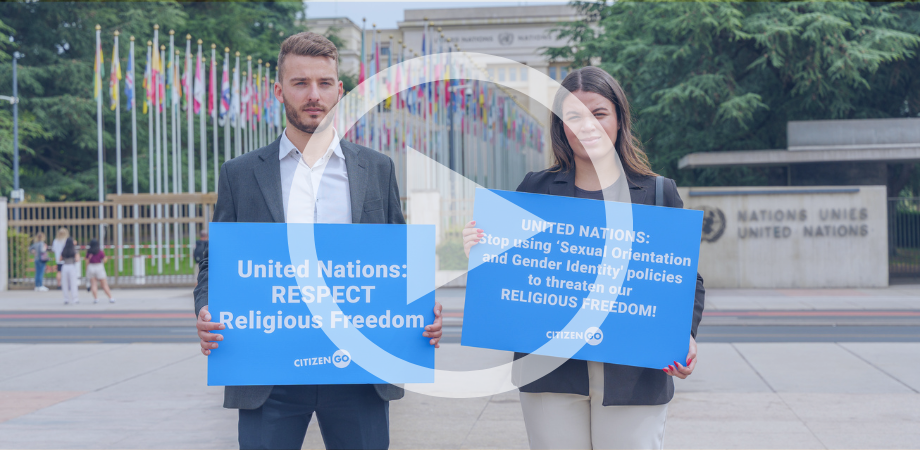
 Nevertheless, I am actually quite saddened and shocked to report to you that I could not believe what I experienced, inside the plenary hall of the UN. The spirited and passionate support that Independent Expert Madrigal Borloz received is of great concern for me. The fact that so many state governments and the institution of the United Nations is so far deep inside the pocket of large, rich, radical, pro-LGBT and pro-trans lobby groups, should raise serious alarm bells.I cannot believe how low things have fallen, and just how serious the situation has become.Let me summarize some of the most shocking components to this report, that should be of grave concern to any of us who believes in the freedom to one’s own religious beliefs:The report intends to create “a new normative space” where governments impose acceptable LGBT standards for religion.The report calls on governments to threaten and punish religious leaders and organizations that do not comply with LGBT orthodoxy.That religion is often used as a pretext for violence against the LGBT community. And here, they include our Christian faith!!That UN member states ought to use favorable religious leaders and institutions to promote homosexual and transgender ideology.The report hints at forcing clergy to conduct homosexual marriages at the cost of losing their privilege to conduct legally-recognized marriages.Religion often has different family conceptions that are ”exclusionary” of LGBT persons.EXCLUSIONARY!? Believing that marriage is between a man and a woman, or that there is only male and female, is not exclusionary to anybody – it is simply promoting the truth!His outrageous conclusion: “Unless all religions endorse pro-LGBT ideas, individuals who identify as such will be alienated and excluded, causing them pain, mental health issues, and potentially leading them to suicide, and ultimately violating their human rights”.Can you believe what is happening here?!Essentially, the UN Independent Expert for Sexual Orientation and Gender Identity’s report is saying that religion MUST accommodate to LGBT conceptions:“The limits established in the very design of Freedom of Religion and Belief – including the fundamental rights and freedoms of LGBT persons – are the key to full compatibility of Freedom of Religion and Belief and all actions that are necessary to combat violence and discrimination against them”. Promoting religion DOES NOT erode into the human rights of the LGBT community. If anything, Christianity as well as many other religions, are a promoter of mutual respect, love for one another, and tolerance. HOWEVER …Promoting transgenderism and homosexuality erodes conflictingly into many religious convictions and teachings!At the heart of the report is the belief that sexuality and gender identity are fundamental rights regarded HIGHER than freedom of religion.Madrigal Borloz said it himself clearly: “Religions don’t have human rights, humans have human rights”.To satisfy the needs of an ideological lobby, the UN is willing to give up the protection of one of its cornerstone UN fundamental human rights – the right to religion and belief. And this is exactly what we won’t back down from defending, at CItizenGO.This battle is crucial. Our religious beliefs are non-negotiable and nobody is to tell you and me how we should live or think about our spiritual lives.For the moment, this issue has only been proposed in the form of a report.However, to the delight of the LGBT lobby, it has seen enormous consensus and admiration, and with the support and push from UN agencies, it wouldn’t come as a surprise if this ended up at the negotiating table.The discourse of these radicals is so dangerous that it paves the way to government control over religious practice, also in your country.We must be ahead of the game, and confront the absurdity and danger of this proposal before it gets out of hand, and without risking it going to a vote. Rest assured the CitizenGO team is working tirelessly to do just that.Please do not refrain from supporting us every step of the way. It is only thanks to your support that we can truly make an impactful change.Thanks for all you do!Ignacio Arsuaga and the entire CitizenGO teamP.S. Want to support CitizenGO’s work? We are committed to working every moment, day by day and year by year, to defend religious freedom in front of the constant attacks of the LGBT lobby and large international organizations. And to do it, we are in ongoing need of your support – now more than ever!


 What is this world without a further Divine purpose in it all? W. Whitman