Barmah Forest virus, transmitted in Australia not just by mosquitoes but also by ticks, can be added to it. It might be active even after several years. (based on personal observation).
Category: Biowarfare
Jeden z aspektů celoplanetární digitalizace lidstva
Peace on Planet Earth
Infected Ixodes ricinus ticks are attracted by electromagnetic radiation of 900 MHz
https://pubmed.ncbi.nlm.nih.gov/32209348/
How interesting…can it be applied to humans as well?
via https://ehtrust.org/wp-content/uploads/Dr.-Cindy-Russel-to-City-of-Pittsfield-Board-of-Health-on-Cell-Tower-Radiation-July-6-2021-.pdf
via Czech 5G activists
The Limits of Immanent Critique
Most Adults Obese by 2050
Second Circuit eradicates Amish fight over NY school vaccination mandate
via National Vaccine Information Center
Apocalypse now GeoengineeringWatch March 1, 2025
A Microbiom Heiko Schöning (2) Geneticky manipulované bakterie
Right at the moment I wonder where is all this knowledge reflected in the planetary politics of the superpowers? ChatGpt
You said:
right at the moment I wonder where is all this knowledge reflected in the planetary politics of the superpowers
ChatGPT said:
ChatGPT
The vast body of knowledge in science, esotericism, and their intersections is often selectively applied in planetary politics, particularly by superpowers. Here’s an exploration of how these realms intersect with global political strategies:
1. The Application of Scientific Knowledge in Politics
Superpowers leverage scientific knowledge in areas like technology, health, and the environment, but the motivations often prioritize national interest or power dynamics over holistic planetary well-being.
a. Genomics and Biotechnologies
- Uses:
- Advancements in genomics influence health policies, agricultural strategies (e.g., GMOs), and even biowarfare deterrence.
- Precision medicine and genetic engineering are reshaping healthcare.
- Political Aspect:
- Countries compete for dominance in biotech, as seen in genome editing technologies like CRISPR.
- The ethics of these advancements—balancing public good against profit and control—remain contested.
- Challenge: The focus on control and competition often sidelines global collaboration for equitable health solutions.
b. Artificial Intelligence and Systems Biology
- Uses:
- AI models are employed in climate predictions, social engineering, and governance.
- Systems biology insights aid in creating bio-sustainable technologies.
- Political Aspect:
- Superpowers invest heavily in AI to secure geopolitical dominance, often prioritizing military applications over societal welfare.
- Systems biology’s potential for holistic solutions (e.g., ecological harmony) is underutilized in global politics.
c. Climate and Environmental Science
- Uses:
- Knowledge of ecosystems and energy systems drives environmental policy.
- Political Aspect:
- Climate knowledge is often weaponized as leverage in trade or policy negotiations (e.g., carbon credits, green tech exports).
- While some nations lead in green initiatives, many still prioritize economic growth over global sustainability.
- Challenge: The lack of unified commitment (e.g., wavering on the Paris Agreement) undermines planetary health.
2. Esoteric Knowledge and Its Political Reflection
Esoteric principles—such as balance, interconnectedness, and the inner-outer harmony—are largely absent in mainstream planetary politics. When applied, they often manifest in limited, fragmented ways:
a. Power Dynamics vs. Global Harmony
- Esoteric Principle: The interconnectedness of all life requires actions that benefit the collective, not just the individual.
- Reality:
- Nationalistic and isolationist policies dominate, sidelining global cooperative efforts.
- Military spending overshadows investments in areas like education, healthcare, or renewable energy.
b. Exploitation of Resources
- Esoteric Principle: Respect for the Earth as a living entity demands sustainable and reverent use of resources.
- Reality:
- Resource-rich regions often become theaters of conflict and exploitation (e.g., rare earth metals for tech, fossil fuels).
- Short-term economic interests take precedence over long-term ecological balance.
c. Neglect of Inner Qualities in Leadership
- Esoteric Principle: True leadership arises from wisdom, compassion, and a deep understanding of interconnectedness.
- Reality:
- Leaders often prioritize political gains and populist agendas over transformative, ethical leadership.
- The inner development necessary for visionary leadership is rarely cultivated in modern politics.
3. Challenges to Integrating Knowledge into Planetary Politics
a. Fragmentation of Knowledge
- Scientific and esoteric insights are compartmentalized, rarely integrated into a unified framework for decision-making.
- Knowledge is often appropriated for technological or economic gain rather than applied holistically.
b. Economic and Power Agendas
- The drive for dominance, wealth, and influence often overshadows the application of knowledge for global benefit.
- Scientific advancements risk being monopolized or weaponized rather than democratized.
c. Lack of a Unified Global Vision
- Esoteric teachings emphasize a shared destiny for humanity, but global politics remains divisive and competitive.
4. Hope and Emerging Paradigms
While the current state reflects significant challenges, there are glimmers of change in how knowledge might influence global politics positively:
a. Global Initiatives for Collaboration
- Scientific Cooperation:
- Projects like the Human Genome Project and CERN showcase collaborative success.
- Environmental Action:
- Increasing recognition of climate change urgency fosters multilateral initiatives like COP28.
b. Integration of Inner Values
- Rising Awareness:
- Grassroots movements and younger generations emphasize values like sustainability, equity, and mindfulness.
- Potential Leadership Shift:
- As leaders embrace more inclusive and holistic approaches, we might see the integration of inner wisdom in governance.
c. Technological and Esoteric Convergence
- Advances in AI, systems biology, and global monitoring could align with principles of harmony and balance if paired with ethical guidance.
5. Esoteric Perspective on the Way Forward
- Inner Reflection: Global politics must shift from a “form-focused” (external power, domination) to a “content-focused” (inner wisdom, ethical leadership) model.
- Planetary Balance: True progress arises when superpowers recognize their role as stewards of Earth, not owners.
- Unifying Vision: A synthesis of science and esoteric wisdom could create policies rooted in interconnectedness, regeneration, and shared prosperity.
Would you like to explore specific examples of how knowledge might shape a new paradigm for planetary politics, or discuss strategies for integrating science and esoteric insights further?
4o
You said:
yes pls
ChatGPT said:
ChatGPT
Here’s a detailed exploration of how we might shape a new paradigm for planetary politics by integrating scientific knowledge with esoteric insights. This synthesis requires a shift from fragmented, competitive approaches to cooperative, holistic strategies:
1. Applying Science and Esoteric Wisdom to Key Global Challenges
a. Climate Change and Environmental Stewardship
- Science:
- Climate science provides data-driven strategies to mitigate warming, such as transitioning to renewable energy, restoring ecosystems, and decarbonizing industries.
- Systems biology offers insights into the interconnectedness of ecosystems, emphasizing the need to view the planet as an integrated whole.
- Esoteric Wisdom:
- Esoteric traditions teach respect for nature as a living entity, emphasizing balance, harmony, and reverence for life.
- The concept of sacred stewardship aligns with sustainability goals: humans are caretakers, not conquerors, of Earth.
- Policy Application:
- Develop international frameworks where ecological restoration is as important as economic growth.
- Embrace regenerative development: urban planning, agriculture, and resource extraction that restore rather than deplete.
- Introduce education that integrates ecological science with spiritual awareness, fostering a generation that values balance over exploitation.
b. Health and Biotechnology
- Science:
- Genomics and precision medicine enable tailored health solutions that target genetic predispositions.
- Advances in epigenetics suggest that lifestyle and environment can dramatically influence health outcomes.
- Esoteric Wisdom:
- Many traditions emphasize the connection between mind, body, and spirit. The inner state (thoughts, emotions) deeply influences physical well-being.
- Practices like meditation, energy healing, and mindfulness support holistic health.
- Policy Application:
- Promote integrative healthcare: combining cutting-edge science (e.g., genomics) with holistic practices (e.g., mindfulness, traditional medicine).
- Globalize access to health technologies while ensuring that interventions are ethical, equitable, and mindful of unintended consequences.
- Support public health campaigns emphasizing inner balance—mental and emotional wellness as keys to physical health.
c. Technology and Artificial Intelligence
- Science:
- AI is reshaping governance, education, and resource management. Predictive models enable better decision-making in areas like disaster response and economic planning.
- Esoteric Wisdom:
- Esoteric teachings caution against over-reliance on external tools. True mastery requires inner wisdom to guide technology’s use.
- Balance between human agency and machine intelligence is critical to ensure ethical outcomes.
- Policy Application:
- Establish global ethical frameworks for AI, prioritizing transparency, equity, and human well-being.
- Use AI for planetary harmony: optimizing resource distribution, predicting and mitigating environmental disasters, and fostering inclusive governance.
- Balance AI-driven decision-making with human-centered approaches, ensuring that wisdom—not algorithms—guides policy.
d. Global Governance and Equity
- Science:
- Political science and economics study systems of governance, exploring how resource distribution and policy design impact societies.
- Esoteric Wisdom:
- Ancient systems of governance, such as those in indigenous cultures, emphasized collaborative leadership, harmony, and serving the collective good.
- The principle of unity in diversity suggests that all nations, despite differences, are part of a shared planetary system.
- Policy Application:
- Reform global institutions (e.g., UN, WTO) to prioritize collaboration over competition.
- Advocate for Earth-centered governance, where policies consider the well-being of the planet and future generations.
- Introduce councils of wisdom: advisory boards of spiritual and ethical leaders to guide political decisions.
2. Tools for Integrating Science and Esoteric Insights
a. Education
- Combine science and esoteric principles in education systems.
- Teach systems thinking: understanding the interconnectedness of biology, ecology, and society.
- Incorporate mindfulness, ethics, and spiritual awareness into curricula.
- Promote global citizenship, emphasizing responsibility to the planet and all life.
b. Metrics Beyond GDP
- Introduce metrics that measure well-being, sustainability, and balance, not just economic growth.
- Examples: Bhutan’s Gross National Happiness index or frameworks like the Doughnut Economy.
- Align these metrics with esoteric values: inner contentment, harmony, and stewardship.
c. Technology for Unity
- Use global platforms and AI to foster connection and understanding:
- Collaborative problem-solving on global challenges.
- Platforms for cultural exchange to reduce divisions.
- Predictive models to guide humanity toward sustainable futures.
3. Example Strategies for Superpowers
a. United States
- Leverage its technological and scientific expertise to pioneer renewable energy transitions and health tech while championing ethical AI.
- Embrace esoteric leadership by fostering inclusivity and prioritizing global well-being over unilateral dominance.
b. China
- Utilize its emphasis on long-term planning to integrate ecological and spiritual principles into development models.
- Revive and modernize Taoist and Confucian principles of harmony to influence governance and international relations.
c. European Union
- Build on its environmental leadership to create models of regenerative development that others can emulate.
- Promote spiritual inclusivity, recognizing the diversity of wisdom traditions across its member states.
d. Emerging Powers
- Nations like India and Brazil can draw from rich spiritual traditions to advocate for balanced growth, combining modern science with ancient wisdom.
4. Vision for the Future
Imagine a future where:
- Science illuminates the mechanics of life, enabling precise solutions to global challenges.
- Esoteric wisdom provides the moral compass, ensuring actions align with balance, harmony, and reverence for all life.
- Leaders embody inner wisdom, blending innovation with ethical stewardship.
- Humanity views Earth as a shared home, fostering policies that nurture both external forms (economy, technology) and inner qualities (well-being, spiritual growth).
This future would be a profound evolution in planetary politics—a shift from dominance and fragmentation to unity, cooperation, and regeneration.
Genomics morphology vs inner qualities or functional attributes Chat Gpt
You said:
hi i am enquiring about genomics morphology. I know nothing about it from the scientific point of view except that it is about the shapes, about the external attributes. But from the esoteric studies I learned that although we are the experts on creating the most beautiful external form, the inner content, its qualities we totally disregard so degeneration follows. What would be the scientific name equivalent to morphology regarding the inner qualities
ChatGPT said:
ChatGPT
From a scientific perspective, the study of inner qualities or functional attributes, as opposed to external forms or morphology, is often described using terms that depend on the specific domain of inquiry. Here are some scientific equivalents:
1. Physiology
- Definition: The study of the functions and processes of living organisms and their parts.
- Focus: While morphology focuses on form, physiology investigates how the systems work (e.g., how organs perform their tasks, or how biochemical processes sustain life).
- Esoteric Parallel: This aligns with exploring the inner workings or “qualities” of an organism, such as its health, resilience, and vitality.
2. Genetics and Genomics
- Definition:
- Genetics studies the inheritance of traits, focusing on specific genes.
- Genomics looks at the entire genome (the complete set of DNA) and its influence on the organism.
- Focus: Internal factors that define both form and function, including potential and limitations.
- Esoteric Parallel: The “blueprint” or “essence” of an organism’s potential inner qualities—similar to the idea of intrinsic capacities or inherited spiritual qualities.
3. Biochemistry
- Definition: The study of chemical processes within living organisms.
- Focus: Understanding the molecular basis of life, including enzymes, hormones, and cellular communication, which dictate inner qualities like metabolism, adaptability, and energy.
- Esoteric Parallel: The unseen processes that sustain life, analogous to spiritual energy or the “life force.”
4. Behavioral Science
- Definition: The study of behavior patterns, including their biological, psychological, and social influences.
- Focus: How internal drives and instincts express themselves through actions and interactions.
- Esoteric Parallel: How inner qualities manifest in conduct, akin to the development of virtues or flaws.
5. Epigenetics
- Definition: The study of changes in gene expression that don’t involve alterations to the DNA sequence itself. These changes are often influenced by environment, lifestyle, and experiences.
- Focus: How the inner potential can be activated or suppressed by external conditions.
- Esoteric Parallel: The cultivation or degeneration of qualities based on life choices and environmental factors.
6. Psychobiology
- Definition: The study of the biological foundations of behavior, emotions, and mental processes.
- Focus: Investigating the relationship between inner psychological qualities and their physical underpinnings.
- Esoteric Parallel: The interaction between the soul’s disposition and the body’s condition.
7. Systems Biology
- Definition: The holistic study of complex interactions within biological systems.
- Focus: How different parts of an organism work together to produce emergent properties or “inner harmony.”
- Esoteric Parallel: The balance and integration of all inner and outer aspects of being.
Scientific Study of Inner Qualities: A Multidimensional Approach
If you’re looking for a direct scientific equivalent to the inner qualities of life as they relate to esoteric understanding, it might not be a single discipline but a convergence of several fields:
- Morphology examines the form.
- Physiology examines function.
- Genomics and epigenetics delve into the potential encoded within.
- Behavioral sciences interpret how inner qualities manifest externally.
For example, degeneration could scientifically refer to cellular damage, epigenetic silencing, or dysfunction in physiological systems, echoing the esoteric notion of neglecting the “inner essence.”
Would you like to explore these scientific fields further or connect them more deeply to esoteric interpretations?
4o
yes please
ChatGPT said:
ChatGPT
Let’s delve deeper into the connection between the scientific disciplines that explore inner qualities and their potential resonance with esoteric concepts. Here’s a more detailed exploration of the scientific fields and their possible analogies to esoteric principles:
1. Morphology vs. Inner Content
- Morphology is the study of form and structure. In esoteric terms, this can be seen as the outer shell or the physical manifestation of an entity.
- Scientific Counterpart for Inner Content:
- Physiology explains how these structures function.
- Cellular Biology dives into how cells work together to maintain life, akin to how the physical form serves as a vessel for life force or energy.
- Esoteric Analogy: The physical body reflects an inner essence, but if the inner functions (soul, energy, or spirit) are neglected, external beauty becomes hollow.
2. Genetics and Genomics: The Blueprint of Potential
- Science: Genetics and genomics uncover the internal “blueprint” encoded in DNA that determines both physical traits and predispositions to qualities like resilience, adaptability, or vulnerability.
- Esoteric Connection:
- This can be compared to the soul’s imprint or karma, where inherent tendencies and capacities are encoded but can be shaped by experiences.
- Example: Genetic mutations could parallel esoteric beliefs about spiritual imbalances affecting one’s life path or physical form.
3. Epigenetics: Activation of Potential
- Science: Epigenetics examines how external factors (diet, stress, environment) can switch genes on or off without altering the genetic code.
- Esoteric Connection:
- Epigenetics mirrors the principle of free will or spiritual cultivation—the potential is present, but its expression depends on choices, environment, and effort.
- Degeneration Analogy: Neglecting inner work or spiritual growth could lead to suppressed potential, just as poor lifestyle choices might silence beneficial genes.
4. Biochemistry and Life’s Inner Workings
- Science: Biochemistry explores how molecules like enzymes, hormones, and neurotransmitters drive the body’s processes, from metabolism to mood.
- Esoteric Connection:
- These invisible processes can be likened to the flow of prana or chi (life force energy) in esoteric traditions.
- Degeneration Analogy: Disruption in biochemical balance parallels spiritual stagnation or a lack of harmony between body and soul.
5. Behavioral Science: Manifestation of Inner Qualities
- Science: Behavioral science studies how internal psychological processes influence external actions.
- Esoteric Connection:
- It aligns with the idea that thoughts and intentions shape reality, emphasizing that true beauty comes from virtuous actions, not appearances.
- Degeneration Analogy: Negative behaviors reflect inner chaos or neglect, mirroring esoteric teachings on the consequences of ignoring inner development.
6. Systems Biology: Holistic Inner Harmony
- Science: Systems biology investigates the interactions between an organism’s components, from genes to ecosystems, emphasizing interconnectivity.
- Esoteric Connection:
- This resonates with the idea of cosmic unity or macrocosm and microcosm, where harmony within reflects harmony with the universe.
- Degeneration Analogy: Just as a system breaks down when one part fails, spiritual teachings suggest that neglecting any aspect of self—body, mind, or soul—leads to imbalance.
7. Psychobiology: The Mind-Body Connection
- Science: Psychobiology bridges psychology and biology, exploring how mental states affect physical health and vice versa.
- Esoteric Connection:
- It parallels the idea of emotional and spiritual well-being influencing physical vitality.
- Degeneration Analogy: Chronic stress or unresolved emotional pain can cause physical illness, mirroring how spiritual neglect manifests as life challenges.
Esoteric Lessons in Degeneration
From an esoteric standpoint, the emphasis on external beauty or form (morphology) at the expense of inner qualities leads to:
- Spiritual Disharmony: Outer perfection masks inner chaos.
- Energetic Imbalance: The life force or soul becomes depleted, reflected as physical or societal degeneration.
- Karmic Consequences: A lack of focus on inner qualities may perpetuate cycles of struggle and suffering.
Scientific Parallel: Neglecting the functional and dynamic aspects of biology (like nutrition, mental health, and environment) often results in physical and systemic degeneration, even if external appearances remain intact temporarily.
Integrating Scientific and Esoteric Insights
To bridge the gap:
- Science provides the tools to measure and understand the mechanics of life.
- Esoteric teachings offer a framework for the meaning and purpose behind those mechanics.
For example:
- Regeneration: In science, this may involve cellular repair or epigenetic reprogramming. In esoteric studies, it could mean spiritual renewal through meditation or virtuous actions.
- Balance: Systems biology and esoteric teachings both advocate for holistic balance, whether through homeostasis or alignment of mind, body, and spirit.
Conclusion
The scientific equivalent of exploring inner qualities involves multiple disciplines: physiology, genomics, epigenetics, biochemistry, and systems biology. Together, they reveal the intricate workings of life beyond external form. Esoterically, this reflects the pursuit of inner harmony, where cultivating spiritual and moral qualities ensures the beauty of both the internal and external self.
If you’d like to explore a specific scientific discipline in more detail or how it maps to an esoteric principle, let me know! 😊
? https://odysee.com/@StopTheCrime:d/videoplayback-(1):bbf
Twelfth meeting of the Intergovernmental Negotiating Body (INB) for a WHO instrument on pandemic prevention, preparedness and response – resumed session and drafting group
Amid ‘Huge’ Geopolitical Pressures, WHO Pandemic Talks Co-Chair Hopes for December Deal/ Kerry Cullinan
Liga Lidských Práv – Vliv farmaceutických společností, očkování a reklama
Quantum Thinking Changes Everything
Highlights and images for 23 November 2024 Baku – Azerbaijan
Misophonia – the result of Dew?
similar to Havana syndrom. When will doctors come forward and present the overwhelming evidence of people, targeted with directed psychotronic energies????
Behavioral scientists used cats decades ago to demonstrate their responses to them according to level of stimuli. It started with purring and by intensifying the stimuli it eventually ended up by violent rage. Since then we progressed to targeting humans, directly to violent rage state. bringing hell to earth.
When the ancient esoteric knowledge gets into the scientists’ hands….as Beelzebub predicted long ago.
Wikipedia:
Misophonia (or selective sound sensitivity syndrome, sound-rage) is a disorder of decreased tolerance to specific sounds or their associated stimuli, or cues.
These cues, known as “triggers”, are experienced as unpleasant or distressing and tend to evoke strong negative emotional, physiological, and behavioral responses that are not seen in most other people.[4]
Misophonia and misophonic symptoms can adversely affect the ability to achieve life goals and enjoy social situations. It was first recognized in 2001,[5] though it is still not in the DSM-5 or any similar manual.[6][7][8][9][5] For this reason it has been called a “neglected disorder”.[10]
Reactions to trigger sounds range from annoyance to anger, with possible activation of the fight-or-flight response. Misophonia responses do not seem to be elicited by the loudness of the sound, but rather by its specific pattern or meaning to the hearer. Triggers are commonly repetitive stimuli and are primarily, but not exclusively, related to the human body, such as chewing, eating, smacking lips, slurping, coughing, throat clearing, sniffing, and swallowing. Once a trigger stimulus is detected, people with misophonia may have difficulty distracting themselves from the stimulus and may experience suffering, distress, and/or impairment in social, occupational, or academic functioning. The expression of misophonia symptoms varies, as does the severity, which ranges from mild to severe. Some people with misophonia are aware that their reactions to misophonic triggers are disproportionate to the circumstances. Misophonia symptoms are typically first observed in childhood or early adolescence.[4] Studies have shown that misophonia can cause problems in school, work, social life, and family.[11]
Origin of term
[edit]
The term was coined in 2001 by professor Pawel Jastreboff and doctor Margaret M. Jastreboff, with the assistance of the classicist Guy Lee,[12][13] introducing it in their article “Hyperacusis”,[14] with further explanation in the International Tinnitus and Hyperacusis Society’s ITHS Newsletter.[5]
The term “misophonia” was first used in a peer-reviewed journal in 2002.[15] Before that, the disorder was more commonly called “Selective Sound Sensitivity Syndrome”, or “4S”, named by audiologist Marsha Johnson. Others have proposed “Conditioned Aversive Response Disorder” (C.A.R.D.) as a more suitable name.[16]
“Misophonia” comes from the Ancient Greek words μῖσος (IPA: /mîː.sos/), meaning “hate”, and φωνή (IPA: /pʰɔː.nɛ̌ː/), meaning “voice” or “sound”, loosely translating to “hate of sound”, and was coined to differentiate the condition from other forms of decreased sound tolerance such as hyperacusis (hypersensitivity to certain frequencies and volume ranges) and phonophobia (fear of sounds).[3][17][5]
Signs and symptoms
[edit]
As of 2016, the literature on misophonia was limited.[9] Some initial small studies showed that people with misophonia generally have strong negative feelings, thoughts, and physical reactions to specific sounds, which the literature calls “trigger sounds”. These sounds usually appear quiet or unnoticeable to others, but can seem loud, or at least unpleasantly magnified, to the person with misophonia. One study found that around 80% of the sounds were related to the mouth (e.g., eating, slurping, chewing or popping gum, whispering, whistling, nose sniffing) and around 60% were repetitive. But more recent research provides neural evidence for non-orofacial triggers.[18] A visual trigger may develop related to the trigger sound,[9][19] and a misophonic reaction can occur in the absence of a sound (examples include leg swinging, hair twirling, and finger pointing).[3][2]
Reactions to triggers can range from mild (anxiety, discomfort, and/or disgust) to severe (rage, anger, hatred, panic, fear, and/or emotional distress).[8] There may be unwanted sexual arousal.[20][21][22][23][24][25][26] This latter symptom appears to have certain parallels to the corresponding subtype of obsessive-compulsive disorder[27][28][29] and is likewise often misunderstood and underreported for fear of misinterpretative stigma, but it is common.
Reactions to the triggers can include aggression toward the origin of the sound, leaving, remaining in its presence but suffering, trying to block it, and trying to mimic the sound.[19] Reactions can also include physical responses, such as increased heart rate, tightness in the chest and head, and hypertension.[3]
The first misophonic reaction may occur when a person is young, often between the ages of 9 and 13,[8] and can originate from someone in a close relationship, or a pet.[19]
Fear and anxiety associated with trigger sounds can cause the person to avoid important social and other interactions that may expose them to these sounds. This avoidance and other behaviors can make it harder for people with this condition to achieve their goals and enjoy interpersonal interactions.[3] It can also have a significant negative effect on their careers and relationships.[30]
Combined studies have illustrated that 45% of cases of misophonia became worse over time without treatment.[11]
Mechanism
[edit]
Misophonia’s mechanism is not yet fully understood, but it appears that it may be caused by a dysfunction of the central nervous system in the brain and not of the ears.[9][2] The perceived origin and context of the sound appears to play an important role in triggering a reaction.[2]
A 2017 study[31] found that the anterior insular cortex (which plays a role both in emotions like anger and in integrating outside input, such as sound, with input from organs such as the heart and lungs) causes more activity in other parts of the brain in response to triggers, particularly in the parts responsible for long-term memories, fear, and other emotions. It also found that people with misophonia have higher amounts of myelin (a fatty substance that wraps around nerve cells in the brain to provide electrical insulation). It is not clear whether myelin is a cause or an effect of misophonia and its triggering of other brain areas.[32]
A 2021 study found that the orofacial motor cortex, a part of the brain representing lip, jaw, and mouth movement, has enhanced activation for typical trigger sounds much more than for aversive or neutral sounds in misophonia sufferers. It also found enhanced functional connectivity between orofacial motor cortex and secondary auditory cortex during sound perception for any sound. It further reported resting state fMRI functional connectivity between orofacial motor cortex and secondary auditory and visual brain areas as well as secondary interoceptive cortex (left anterior insula). This suggests that misophonia, which is typically thought of as a disorder of sound emotion processing, is a result of overactivation of the motor mirror neuron system involved in producing the movements associated with these trigger sounds or images.[33]
Diagnosis
[edit]
In 2022, clinical and scientific leaders convened to create a consensus definition of misophonia,[4] agreeing that it is a disorder of decreased tolerance to specific sounds and their associated stimuli. Before this consensus definition was reached, scholars and clinicians debated how to describe and define misophonia, which has limited comparison of study cohorts and hampered the development of standard diagnostic criteria.[4]
Misophonia is distinguished from hyperacusis, which is not specific to a given sound and does not involve a similar strong reaction, and from phonophobia, which is a fear of loud sounds,[19] but it may occur with either.[34] There are no standard diagnostic criteria,[6][19] and many doctors are unaware of the disorder.[8]
Studies show that misophonia often has related comorbid conditions, including anxiety disorders, post-traumatic stress disorder,[35] OCD,[36][37][38] and depressive disorders.[39][40] Some research supports the belief that misophonia is genetic, but more research is needed.[41] It appears that misophonia can occur on its own or along with other health, developmental, and psychiatric problems.[8] When attempting to diagnose a patient with misophonia, doctors sometimes mistake its symptoms for an anxiety disorder, bipolar disorder, or obsessive-compulsive disorder.[8]
Despite misophonia’s relative phenotypic distinctiveness, it has been suggested that it belongs to the spectrum of obsessive-compulsive-and-related disorders.[42][43][44] Indeed, distinguishing certain elements of misophonia from those of obsessive-compulsive disorder and obsessive-compulsive personality disorder may be difficult, as many features often overlap.[45][46][47][48][49]
Classification
[edit]
The diagnosis of misophonia is not recognized in the DSM-IV or the ICD-11, and it is not classified as a hearing or psychiatric disorder.[19] It may be a form of sound–emotion synesthesia, and has parallels with some anxiety disorders.[9] A 2022 structured study of prominent researchers resulted in the creation of the consensus definition of misophonia, determining that misophonia should be classified as a disorder, and not a symptom of another condition or syndrome.[8][4] During the early phase of research on misophonia, it was defined by different criteria with variable methods used to diagnose and assess symptom severity. As a result of lack of consensus about how to define and evaluate misophonia, comparisons between study cohorts were difficult, measurement tools were not psychometrically well-validated, and the field could not rigorously assess the efficacy of different treatment approaches. The creation of the definition serves as the foundation of future diagnostic criteria and validated diagnostic tools, and brings cohesion to the diverse and interdisciplinary misophonia research and clinical communities.[4][8]
Management
[edit]
Health care providers generally try to help people cope with misophonia by recognizing what the person is experiencing and working on coping strategies.[19] A majority of smaller studies done on the subject have focused on the use of tinnitus retraining therapy, cognitive behavioral therapy and exposure therapy, which is believed to decrease the person’s awareness of their trigger sounds.[3] These treatment approaches have not been sufficiently studied to determine their effectiveness.[3][17] Other possible treatment options have been theorized by researchers, including acceptance-based approaches and mindfulness.[3] Ultimately, it is speculated that treatment methods may vary significantly in effectiveness from patient to patient.[3]
Minimal research has been conducted on the possible effects of neuromodulation and pharmacologic treatments. A study published in 2022 suggests that some forms of misophonia treatment may vary in effectiveness based on the preference of each patient, particularly in cases of parents with children who have misophonia.[50] In addition, the use of propranolol has also been found to be helpful in some patients.[51]
Clomipramine has anecdotally been found to be of use in at least a certain subset of people suffering from disorders allied with hyperacusis;[52] given its success in the treatment of obsessive-compulsive disorder, it may have a place in the treatment of misophonia,[53] which appears to have parallels with both conditions. Clomipramine does appear to have a distinct potential mediating effect on auditory-tone processing.[54][55] One specific phenomenon observed to this end with clomipramine in at least one instance is reduced electrodermal reactivity to innocuous auditory stimuli.[56]
Whether pindolol (a beta-blocker with similar action to propranolol and augmentative therapeutic effects in obsessive-compulsive disorder[57]) and certain selective serotonin reuptake inhibitors (e.g., fluvoxamine, escitalopram, fluoxetine) can also prove effective in the treatment of misophonia likewise remains to be seen.
Large-scale research has not yet been conducted, but observation of coping strategies people with misophonia use has shown some consistent results.[3] People with misophonia often cope by avoiding distressing situations and/or distracting themselves from such situations,[58] for example by using earplugs or headphones, mimicking trigger sounds, and playing music.[30]
Sequent repatterning therapy
[edit]

Sequent Repatterning therapy for misophonia (SRT) aims to break the link between the trigger and the emotional response. Developed in the United Kingdom by Christopher Pearson in 2014, the therapy has become more widely available. It is based on the idea that emotional responses are learned and consolidated over time, rather than innate, which makes it a form of cognitive behavioral therapy.[59]
Sequent Repatterning therapy’s development began in 2012 when Pearson applied aspects of hypnotherapy, parts work therapy, and NLP to create a therapy model for misophonia. He presented his work to the International Association of Neuropsychotherapy in 2017 and an article, “Reviewing Misophonia and its Treatment”,[60] was published in International Journal of Neuropsychotherapy later that year. Pearson also contributed to the proposals for diagnostic criteria for misophonia, published in Frontiers.[61] Sequent Repatterning practitioners apply these diagnostic steps when assessing potential clients. These criteria were more recently referenced in psychometrically assessing the condition by Williams, et al.[62]
Since 2001, published, peer-reviewed work on misophonia has increased almost exponentially. A significant increase has been seen since 2017, when SRT was initially proposed. Its development has continued and during the last five years has embraced the therapeutic reconsolidation process (TRP, a key feature of coherence therapy) as a key element.
For those with misophonia, therapy often begins with a structured program with a qualified therapist. This program has four phases:
- Pre-therapy
- Foundation
- Active therapy
- Future pacing
and is usually completed over about three months. At the conclusion of the active therapy phase, about 80% of those engaging with the process achieve a significant improvement in symptom severity, as measured by the scale MAQ-4. The reduction in MAQ-4 score that aligns with “significant improvement” is 20%. As of 2023, the arithmetic average improvement of those 80% is around 70%.
Training for SRT practitioners is restricted to those who already have specific skills and credentials. Those assigned the status of Certified Sequent Repatterning Practitioner have completed a comprehensive training course and assessment of a case study.
Epidemiology
[edit]
Research is still being conducted on misophonia’s global prevalence, but a 2023 study found its prevalence in the UK to be around 18%.[63] This study has been cited in popular outlets, including BBC,[64] Medscape,[65] and Medical Xpress.[66] Studies of misophonia’s global prevalence have found it to be as low as 5% and as high as 20%.[63] Its prevalence and severity seem to be similar across genders.[63] In the U.S., it is estimated that 3% of people are affected by misophonia. But in multiple studies, it was determined misophonia may be underdiagnosed (it is not yet an officially diagnosable condition), as it is correlated with other auditory disruptions; 92% of patients who are hyperaware of sounds also have misophonia.[11] There is evidence that significant numbers of undergraduate students in some psychology and medical-science departments suffer from misophonia.[67] The University of Nottingham conducted a study of misophonia in one sample of undergraduate medical students.[68] In 2017, similar rates were found in one university in China,[69] suggesting that the disorder is not specific to a culture.
It may be the case that people with misophonia are more likely to have high fluid intelligence.[70]
Associated symptoms
[edit]
Some people[who?] have sought to relate misophonia to autonomous sensory meridian response, or auto-sensory meridian response (ASMR), a pleasant form of paresthesia, a tingling sensation that typically begins on the scalp and moves down the back of the neck and upper spine.[71] ASMR is described as the opposite of what can be observed in reactions to specific audio stimuli in misophonia.[72] There are plentiful anecdotal reports of people who claim to have both misophonia and ASMR. Common to these reports is the experience of ASMR in response to some sounds and misophonia in response to others.[72][73][74]
Society and culture
[edit]
People who experience misophonia have formed online support groups.[75][76]
In 2016, a documentary about the condition, Quiet Please, was released.[77]
In 2020, a team of misophonia researchers[76] received the Ig Nobel Prize in medicine “for diagnosing a long-unrecognized medical condition”.[78]
The 2022 film Tár depicts a conductor with misophonia.[79]
Season 1, episode 4 of Hulu’s The Old Man has a brief discussion of misophonia.[80]
Notable cases
[edit]
This is a dynamic list and may never be able to satisfy particular standards for completeness. You can help by adding missing items with reliable sources.
- Melissa Gilbert[81]
- Richard E. Grant[82]
- Barron H. Lerner[83]
- Lisa Loeb[84]
- Melanie Lynskey[85]
- Laila McQueen[86]
- Kelly Osbourne[87]
- Kelly Ripa[88]
- Sarah Silverman[89]
See also
[edit]
References
[edit]
- ^ Sanchez TG, Silva FE (2017). “Familial misophonia or selective sound sensitivity syndrome: evidence for autosomal dominant inheritance?”. Brazilian Journal of Otorhinolaryngology. 84 (5): 553–559. doi:10.1016/j.bjorl.2017.06.014. PMC 9452240. PMID 28823694.
- ^ Jump up to:a b c d Bruxner G (April 2016). “‘Mastication rage’: a review of misophonia – an under-recognised symptom of psychiatric relevance?”. Australasian Psychiatry. 24 (2): 195–197. doi:10.1177/1039856215613010. PMID 26508801. S2CID 7106232.
- ^ Jump up to:a b c d e f g h i j Cavanna AE, Seri S (August 2015). “Misophonia: current perspectives”. Neuropsychiatric Disease and Treatment. 11: 2117–2123. doi:10.2147/NDT.S81438. PMC 4547634. PMID 26316758.
- ^ Jump up to:a b c d e f Swedo SE, Baguley DM, Denys D, Dixon LJ, Erfanian M, Fioretti A, et al. (2022). “Consensus Definition of Misophonia: A Delphi Study”. Frontiers in Neuroscience. 16: 841816. doi:10.3389/fnins.2022.841816. PMC 8969743. PMID 35368272.
- ^ Jump up to:a b c d Jastreboff MM, Jastreboff PJ (2001). “Components of decreased sound tolerance: hyperacusis, misophonia, phonophobia” (PDF). ITHS News: 5–7. Archived (PDF) from the original on 16 February 2023.
- ^ Jump up to:a b Brout JJ, Edelstein M, Erfanian M, Mannino M, Miller LJ, Rouw R, et al. (2018). “Investigating Misophonia: A Review of the Empirical Literature, Clinical Implications, and a Research Agenda”. Frontiers in Neuroscience. 12: 36. doi:10.3389/fnins.2018.00036. PMC 5808324. PMID 29467604.
- ^ Taylor S (June 2017). “Misophonia: A new mental disorder?”. Medical Hypotheses. 103: 109–117. doi:10.1016/j.mehy.2017.05.003. PMID 28571795.
- ^ Jump up to:a b c d e f g h Swedo S, Baguley DM, Denys D, Dixon LJ, Erfanian M, Fioretti A, Jastreboff PJ, Kumar S, Rosenthal MZ, Rouw R, Schiller D (2021). “A Consensus Definition of Misophonia: Using a Delphi Process to Reach Expert Agreement”. medRxiv 10.1101/2021.04.05.21254951v1.
- ^ Jump up to:a b c d e Brout JJ, Edelstein M, Erfanian M, Mannino M, Miller LJ, Rouw R, et al. (2018). “Investigating Misophonia: A Review of the Empirical Literature, Clinical Implications, and a Research Agenda”. Frontiers in Neuroscience. 12: 36. doi:10.3389/fnins.2018.00036. PMC 5808324. PMID 29467604.
- ^ Blegvad-Nissen C, Thomsen PH (23 November 2015). “Misofoni er overset” [Misophonia is a neglected disorder] (PDF). Ugeskrift for Laeger (in Danish). 177 (48): V04150309. PMID 26617171.
- ^ Jump up to:a b c Ferrer-Torres A, Giménez-Llort L (June 2022). “Misophonia: A Systematic Review of Current and Future Trends in This Emerging Clinical Field”. International Journal of Environmental Research and Public Health. 19 (11): 6790. doi:10.3390/ijerph19116790. PMC 9180704. PMID 35682372.
- ^ “Misophonia”. Tinnitus & Hyperacusis Center. Archived from the original on 22 January 2023. Retrieved 8 October 2022.
- ^ de Freytas-Tamura K (3 February 2017). “Misophonia Sufferers: Scientists May Have Found the Root of Your Pain”. The New York Times. Archived from the original on 25 November 2022. Retrieved 6 October 2022.
- ^ Jastreboff MM, Jastreboff PJ. “Hyperacusis”. AudiologyOnline. Archived from the original on 22 February 2023. Retrieved 8 October 2022.
- ^ Jastreboff MM, Jastreboff PJ (November 2002). “Decreased Sound Tolerance and Tinnitus Retraining Therapy (TRT)”. Australian and New Zealand Journal of Audiology. 24 (2): 74–84. doi:10.1375/audi.24.2.74.31105. Archived from the original on 19 March 2023.
- ^ Dozier T, Mitchell N (4 October 2023). “Novel five-phase model for understanding the nature of misophonia, a conditioned aversive reflex disorder”. F1000Research. 12: 808. doi:10.12688/f1000research.133506.3. PMC 10594049. PMID 37881332.
- ^ Jump up to:a b Cavanna AE (April 2014). “What is misophonia and how can we treat it?”. Expert Review of Neurotherapeutics. 14 (4): 357–359. doi:10.1586/14737175.2014.892418. PMID 24552574. S2CID 36026220.
- ^ Hansen HA, Stefancin P, Leber AB, Saygin ZM (9 August 2022). “Neural evidence for non-orofacial triggers in mild misophonia”. Frontiers in Neuroscience. 16: 880759. doi:10.3389/fnins.2022.880759. PMC 9397125. PMID 36017175.
- ^ Jump up to:a b c d e f g Duddy DF, Oeding KA (2014). “Misophonia: An Overview”. Semin Hear. 35 (2): 084–091. doi:10.1055/s-0034-1372525. S2CID 76090599.
- ^ Edelstein M, Brang D, Rouw R, Ramachandran VS (2013). “Misophonia: physiological investigations and case descriptions”. Frontiers in Human Neuroscience. 7: 296. doi:10.3389/fnhum.2013.00296. PMC 3691507. PMID 23805089.
- ^ Rouw R, Erfanian M (March 2018). “A Large-Scale Study of Misophonia”. Journal of Clinical Psychology. 74 (3): 453–479. doi:10.1002/jclp.22500. PMID 28561277.
- ^ Jones A (2021). I Hear You: The Everyday Struggle Living with Misophonia (Thesis).[page needed]
- ^ Imgart H, Zanko A, Lorek S, Schlichterle PS, Zeiler M (10 November 2022). “Exploring the link between eating disorders and persistent genital arousal disorder/genito-pelvic dysesthesia: first description and a systematic review of the literature”. Journal of Eating Disorders. 10 (1): 159. doi:10.1186/s40337-022-00687-7. PMC 9650894. PMID 36357896.
- ^ Dozier TH (30 April 2015). “Etiology, composition, development and maintenance of misophonia: A conditioned aversive reflex disorder”. Psychological Thought. 8 (1): 114–129. doi:10.23668/psycharchives.1966.
- ^ Bruxner G (April 2016). “‘Mastication rage’: a review of misophonia – an under-recognised symptom of psychiatric relevance?”. Australasian Psychiatry. 24 (2): 195–197. doi:10.1177/1039856215613010. PMID 26508801. S2CID 7106232.
- ^ Dozier TH, Lopez M, Pearson C (14 November 2017). “Proposed Diagnostic Criteria for Misophonia: A Multisensory Conditioned Aversive Reflex Disorder”. Frontiers in Psychology. 8: 1975. doi:10.3389/fpsyg.2017.01975. PMC 5694628. PMID 29184520.
- ^ “What’s Going on Down There? OCD and Arousal”. http://www.madeofmillions.com.
- ^ “Making Sense of Physical Sensations in Sexual-Themed OCD”. http://www.psychologytoday.com.
- ^ Iskander S, Barahmand U, Soni M, Kaur R, Arnero D (December 2023). “Neurological Underpinnings of Psychological Factors Distinguishing Obsessive-Compulsive Disorder From Misophonia”. Psychiatric Annals. 53 (12): 570–580. doi:10.3928/23258160-20231106-02. S2CID 266306012.
- ^ Jump up to:a b Edelstein M, Brang D, Rouw R, Ramachandran VS (June 2013). “Misophonia: physiological investigations and case descriptions”. Frontiers in Human Neuroscience. 7: 296. doi:10.3389/fnhum.2013.00296. PMC 3691507. PMID 23805089.
- ^ Kumar S, Tansley-Hancock O, Sedley W, Winston JS, Callaghan MF, Allen M, et al. (February 2017). “The Brain Basis for Misophonia”. Current Biology. 27 (4): 527–533. Bibcode:2017CBio…27..527K. doi:10.1016/j.cub.2016.12.048. PMC 5321671. PMID 28162895.
- ^ Cartreine J (21 April 2017). “Misophonia: When sounds really do make you “crazy””. Harvard Health Blog. Archived from the original on 9 March 2023.
- ^ Kumar S, Dheerendra P, Erfanian M, Benzaquén E, Sedley W, Gander PE, et al. (June 2021). “The Motor Basis for Misophonia”. The Journal of Neuroscience. 41 (26): 5762–5770. doi:10.1523/JNEUROSCI.0261-21.2021. PMC 8244967. PMID 34021042.
- ^ Jastreboff PJ, Jastreboff MM (2015). “Decreased sound tolerance”. In Aminoff MJ, Boller F, Swaab DF (eds.). The Human Auditory System – Fundamental Organization and Clinical Disorders. Handbook of Clinical Neurology. Vol. 129. Elsevier. pp. 375–87. doi:10.1016/B978-0-444-62630-1.00021-4. ISBN 978-0-444-62630-1. PMID 25726280.
- ^ Smit DJ, Bakker M, Abdellaoui A, Hoetink AE, Vulink NC, Denys D (9 September 2022). “Genetic evidence for the link of misophonia with psychiatric disorders and personality”. medRxiv 10.1101/2022.09.04.22279567.
- ^ Zai G, Dembo J, Levitsky N, Richter MA (27 September 2022). “Misophonia: A Detailed Case Series and Literature Review”. The Primary Care Companion for CNS Disorders. 24 (5). doi:10.4088/PCC.21cr03124. PMID 36179361. S2CID 252645598.
- ^ Storch EA, Mckay D, Abramowitz JS, eds. (2019). Advanced Casebook of Obsessive-Compulsive and Related Disorders: Conceptualizations and Treatment. Academic Press. ISBN 978-0-12-816557-7.[page needed]
- ^ Webber TA, Johnson PL, Storch EA (March 2014). “Pediatric misophonia with comorbid obsessive–compulsive spectrum disorders”. General Hospital Psychiatry. 36 (2): 231.e1–231.e2. doi:10.1016/j.genhosppsych.2013.10.018. PMID 24333158.
- ^ Guzick AG, Cervin M, Smith EE, Clinger J, Draper I, Goodman WK, et al. (March 2023). “Clinical characteristics, impairment, and psychiatric morbidity in 102 youth with misophonia”. Journal of Affective Disorders. 324: 395–402. doi:10.1016/j.jad.2022.12.083. PMC 9878468. PMID 36584703.
- ^ Cassiello-Robbins C, Anand D, McMahon K, Brout J, Kelley L, Rosenthal MZ (2021). “A Preliminary Investigation of the Association Between Misophonia and Symptoms of Psychopathology and Personality Disorders”. Frontiers in Psychology. 11: 519681. doi:10.3389/fpsyg.2020.519681. PMC 7840505. PMID 33519567.
- ^ Edelstein M, Brang D, Rouw R, Ramachandran VS (2013). “Misophonia: physiological investigations and case descriptions”. Frontiers in Human Neuroscience. 7: 296. doi:10.3389/fnhum.2013.00296. PMC 3691507. PMID 23805089.
- ^ Brout JJ, Edelstein M, Erfanian M, Mannino M, Miller LJ, Rouw R, Kumar S, Rosenthal MZ (7 February 2018). “Investigating Misophonia: A Review of the Empirical Literature, Clinical Implications, and a Research Agenda”. Frontiers in Neuroscience. 12: 36. doi:10.3389/fnins.2018.00036. PMC 5808324. PMID 29467604.
- ^ Taylor S (June 2017). “Misophonia: A new mental disorder?”. Medical Hypotheses. 103: 109–117. doi:10.1016/j.mehy.2017.05.003. PMID 28571795.
- ^ Ferrer-Torres A, Giménez-Llort L (June 2022). “Misophonia: A Systematic Review of Current and Future Trends in This Emerging Clinical Field”. International Journal of Environmental Research and Public Health. 19 (11): 6790. doi:10.3390/ijerph19116790. PMC 9180704. PMID 35682372.
- ^ Holtz Z, Rosenthal MZ, Trumbull J (2023). “Disentangling the Relationship between Misophonia, Anxiety, and Obsessive-Compulsive Personality Disorder”. SSRN 4356614.
- ^ Szykowny N (2020). The Relationship Between Misophonia and Perfectionism (Thesis).[page needed]
- ^ Castro A, Lindberg RR, Kim G, Brennan C, Jain N, Khan RA, Husain F, Berenbaum H (10 March 2023). “Obsessive-Compulsive Symptoms and Sound Sensitivities: Comparing Misophonia and Hyperacusis”. PsyArXiv Preprints. doi:10.31234/osf.io/92yas.
- ^ Wu MS, Banneyer KN (2020). “Chew on this: Considering misophonia and obsessive-compulsive disorder”. Advanced Casebook of Obsessive-Compulsive and Related Disorders. pp. 1–19. doi:10.1016/B978-0-12-816563-8.00001-2. ISBN 978-0-12-816563-8. S2CID 213436071.
- ^ Reid AM, Guzick AG, Gernand A, Olsen B (July 2016). “Intensive cognitive-behavioral therapy for comorbid misophonic and obsessive-compulsive symptoms: A systematic case study”. Journal of Obsessive-Compulsive and Related Disorders. 10: 1–9. doi:10.1016/j.jocrd.2016.04.009.
- ^ Smith EE, Guzick AG, Draper IA, Clinger J, Schneider SC, Goodman WK, et al. (November 2022). “Perceptions of various treatment approaches for adults and children with misophonia”. Journal of Affective Disorders. 316: 76–82. doi:10.1016/j.jad.2022.08.020. PMC 9884516. PMID 35970326.
- ^ Webb J (January 2022). “β-Blockers for the Treatment of Misophonia and Misokinesia”. Clinical Neuropharmacology. 45 (1): 13–14. doi:10.1097/WNF.0000000000000492. PMID 35029865. S2CID 245932937.
- ^ Levine RA, Oron Y (2015). “Tinnitus”. The Human Auditory System – Fundamental Organization and Clinical Disorders. Handbook of Clinical Neurology. Vol. 129. pp. 409–431. doi:10.1016/B978-0-444-62630-1.00023-8. ISBN 978-0-444-62630-1. PMID 25726282.
- ^ Hocaoglu C (30 March 2018). “A little known topic misophonia: two case reports”. Dusunen Adam. 31 (1): 89–96. doi:10.5350/DAJPN2018310109.
- ^ Kozak MJ, Rossi M, McCarthy PR, Foa EB (November 1989). “Effects of imipramine on the autonomie responses of obsessive-compulsives to auditory tones”. Biological Psychiatry. 26 (7): 707–716. doi:10.1016/0006-3223(89)90105-4. PMID 2804191. S2CID 26076762.
- ^ Zahn TP, Insel TR, Murphy DL. Psychophysiological changes during pharmacological treatment of patients with obsessive compulsive disorder. Br J Psychiatry. 1984 Jul;145:39-44. doi: 10.1192/bjp.145.1.39. PMID 6378303.
- ^ Zahn TP, Insel TR, Murphy DL (July 1984). “Psychophysiological Changes during Pharmacological Treatment of Patients with Obsessive Compulsive Disorder”. British Journal of Psychiatry. 145 (1): 39–44. doi:10.1192/bjp.145.1.39. PMID 6378303.
- ^ Dannon PN, Sasson Y, Hirschmann S, Iancu I, Grunhaus LJ, Zohar J (May 2000). “Pindolol augmentation in treatment-resistant obsessive compulsive disorder: a double-blind placebo controlled trial”. European Neuropsychopharmacology. 10 (3): 165–169. doi:10.1016/S0924-977X(00)00065-1. PMID 10793318. S2CID 28452756.
- ^ Cavanna AE, Seri S (August 2015). “Misophonia: current perspectives”. Neuropsychiatric Disease and Treatment. 11: 2117–2123. doi:10.2147/NDT.S81438. ISSN 1178-2021. PMC 4547634. PMID 26316758.
- ^ “Quick facts, Diagnosis, Causes & Treatment | Misophonia Treatment”. Retrieved 29 August 2023.
- ^ Pearson C (2017). “Reviewing Misophonia and its Treatment”. International Journal of Neuropsychotherapy. 5 (1): 2–10. doi:10.12744/ijnpt.2017.1.0002-0010.
- ^ Dozier TH, Lopez M, Pearson C (14 November 2017). “Proposed Diagnostic Criteria for Misophonia: A Multisensory Conditioned Aversive Reflex Disorder”. Frontiers in Psychology. 8: 1975. doi:10.3389/fpsyg.2017.01975. ISSN 1664-1078. PMC 5694628. PMID 29184520.
- ^ (N.d.). Psychometric Validation of a Brief Self-Report Measure of Misophonia Symptoms and Functional Impairment: The Duke-Vanderbilt Misophonia Screening Questionnaire. Williams, Z. J., Cascio, C. J., & Woynaroski, T. G. (2022). Psychometric validation of a brief self-report measure of misophonia symptoms and functional impairment: The duke-vanderbilt misophonia screening questionnaire. Frontiers in Psychology, 13. https://doi.org/10.3389/fpsyg.2022.897901
- ^ Jump up to:a b c Vitoratou S, Hayes C, Uglik-Marucha N, Pearson O, Graham T, Gregory J (22 March 2023). “Misophonia in the UK: Prevalence and norms from the S-Five in a UK representative sample”. PLOS ONE. 18 (3): e0282777. Bibcode:2023PLoSO..1882777V. doi:10.1371/journal.pone.0282777. PMC 10032546. PMID 36947525.
- ^ “What sounds drive you crazy?”. BBC Newsround. 23 March 2023. Retrieved 14 June 2023.
- ^ “About a Fifth of Us Are Hypersensitive to Sounds”. Medscape. Retrieved 14 June 2023.
- ^ Public Library of Science. “Nearly 1 in 5 UK adults may have misophonia, experiencing significant negative responses to sounds”. medicalxpress.com. Retrieved 14 June 2023.
- ^ Yektatalab S, Mohammadi A, Zarshenas L (October 2022). “The Prevalence of Misophonia and Its Relationship with Obsessive-compulsive Disorder, Anxiety, and Depression in Undergraduate Students of Shiraz University of Medical Sciences: A Cross-Sectional Study”. International Journal of Community Based Nursing and Midwifery. 10 (4): 259–268. doi:10.30476/IJCBNM.2022.92902.1888. PMC 9579453. PMID 36274664.
- ^ Naylor J, Caimino C, Scutt P, Hoare DJ, Baguley DM (June 2021). “The Prevalence and Severity of Misophonia in a UK Undergraduate Medical Student Population and Validation of the Amsterdam Misophonia Scale”. Psychiatric Quarterly. 92 (2): 609–619. doi:10.1007/s11126-020-09825-3. PMC 8110492. PMID 32829440.
- ^ Zhou X, Wu MS, Storch EA (July 2017). “Misophonia symptoms among Chinese university students: Incidence, associated impairment, and clinical correlates”. Journal of Obsessive-Compulsive and Related Disorders. 14: 7–12. doi:10.1016/j.jocrd.2017.05.001.
- ^ Watson L (2022). Investigation of a Misophonia and Fluid Intelligence Relationship: Sound Spectrum Variation Impact on Fluid Intelligence Task Responses (Thesis). doi:10.58809/MYID1761.[page needed]
- ^ Mahady A, Takac M, De Foe A (March 2023). “What is autonomous sensory meridian response (ASMR)? A narrative review and comparative analysis of related phenomena”. Consciousness and Cognition. 109: 103477. doi:10.1016/j.concog.2023.103477. PMID 36806854. S2CID 256874981.
- ^ Jump up to:a b Rouw R, Erfanian M (March 2018). “A Large-Scale Study of Misophonia”. Journal of Clinical Psychology. 74 (3): 453–479. doi:10.1002/jclp.22500. hdl:11245.1/c9c45e84-3c70-407e-aa2f-782ccdb79791. PMID 28561277.
- ^ “ASMR and Misophonia: Sounds-Crazy!”. Science in our world: certainty and controversy. Pennsylvania State University. 16 September 2015. Archived from the original on 30 January 2023.
- ^ Higa K (11 June 2015). “Technicalities of the Tingles: The science of sounds that feel good. #ASMR”. Neuwrite. Archived from the original on 30 January 2023. Retrieved 20 January 2016.
- ^ Cohen J (5 September 2011). “When a Chomp or a Slurp is a Trigger for Outrage”. The New York Times. Archived from the original on 20 December 2022. Retrieved 5 February 2012.
- ^ Jump up to:a b Schröder A, Vulink N, Denys D (23 January 2013). “Misophonia: diagnostic criteria for a new psychiatric disorder”. PLOS ONE. 8 (1): e54706. Bibcode:2013PLoSO…854706S. doi:10.1371/journal.pone.0054706. PMC 3553052. PMID 23372758.
- ^ Jeffries A (17 June 2016). “There’s a New Film About Misophonia, Where People Get Enraged by Certain Sounds”. Motherboard. Archived from the original on 1 July 2022. Retrieved 18 September 2020.
- ^ “Past Ig Winners”. improbable.com. 1 August 2006.
- ^ “Cate Blanchett Can’t Imagine Her Life Without Lydia Tár”. W Magazine. 9 January 2023. Retrieved 14 June 2023.
- ^ “The Old Man” IV (TV Episode 2022) – Trivia – IMDb, retrieved 14 June 2023
- ^ Blackwelder C (21 August 2024). “‘Little House on the Prairie’ alum Melissa Gilbert details life with misophonia”. Good Morning America. Retrieved 22 August 2024.
- ^ “Off the Menu with Ed Gamble and James Acaster”.
- ^ Lerner BH (2 March 2015). “Please Stop Making That Noise”. Well. New York Times. Retrieved 18 October 2016.
- ^ “S6E19 – Lisa Loeb | The Misophonia Podcast”. S6E19 – Lisa Loeb | The Misophonia Podcast. Retrieved 14 June 2023.
- ^ Bisley A (10 March 2015). “Melanie Lynskey on Togetherness, realism and ‘radical’ nudity”. The Guardian. ISSN 0261-3077. Retrieved 30 June 2017.
- ^ Allen T (30 March 2016). “10 Things You Never Knew About Laila McQueen”. Queerty. Retrieved 31 October 2023.
- ^ Desborough J (26 July 2018). “Kelly Osbourne reveals strange phobia which causes her to rip food from people’s mouths”. mirror.co.uk.
As the Loose Women panel discussed irritating habits that their husbands might have, she told Jane Moore: “I have misophonia, it’s a phobia of mouth noises. I can’t handle it.” Kelly revealed she can’t bear the sound of loud eating, which is a problem for her dating as she as men often have “bigger mouths” than women .. Misophonia is technically a phobia of sounds in general, and is sometime referred to as “sound rage” as people become enraged just by noises which seem to rub them up the wrong way.
- ^ Misophonia: Kelly Ripa Has Rare Disorder. 20/20. ABC News. 18 May 2012. Retrieved 18 October 2016.
- ^ Dogshit, Comedy and Pain (YouTube video). The Sarah
The Maturation of a Bio-Polymer
I am posting this especially for the esoteric and spiritual communities to make them understand, that we are dealing with heavy crimes against humanity and that without the spiritual guidance the contemporary scientists are blindly leading humanity to the abbys.
https://carnicominstitute.org/category/foundational/
Besides extracting electricity from the intimate organs of mostly women’s gender, there might be an ongoing effort to synthetically obtain what otherwise comes as a result of a proper religious, esoteric work. In other words, to get everything for nothing but the horrible, beastly suffering of others. As we are dealing with the human dynamos/accumulators used for dubious power extraction purposes and with the experiments in genetic engineering of the species via synthetic biology, the mentioned plastics/ plasticity bring my attention to Mr. Gurdjieff’s talks with Mr. Ouspensky about transfiguration processes(ISOM, page 325):
“…If one mastered the art of plastics one could become beautiful or hideous, one could compel people to notice one, or one could become actually invisible”.
I took a picture of such example on my body a while ago, so it can be verified.
How could anyone possibly expect any real “creational” birth from a human body under such circumstances? Only a total psychopat or the third force blind ignorant.
Vaxxed vs. Unvaxxed: Blood Differences Identified
Aluminum poisoning of humanity and Earth’sbiota by clandestine geoengineering activity:implications for India
Semiconductors
CIA Built “12 Secret Spy Bases” In Ukraine & Waged Shadow War For Last Decade, Bombshell NYT Report Confirms
World Health Summit 2023 in Berlin, October 15-17
My letter to The New York Times, The Washington Post and The Guardian in 2017
Dagmar Palmerova
Prague
Czech Republic
10.8.2017
Dear main stream media,
If I understand, in the United States, freedom of the press is protected under the First Amendment in the Bill of Rights. Under the First Amendment the government is not allowed to censor the press. The government does not have the right to try to control what is published and cannot prevent certain things from being published by the press.
So what or who is exactly stopping you from informing the public about crimes against humanity and the planet Earth itself, which are happening to such a degree that it is well beyond the boundaries of any civilized society. You have been contacted endless times by the victims and human rights organisations about this matter, yet you do not react.
There are literally millions of people who are attacked every day with directed energy weapons including smart phones.
You all know that, my case has been broadcast in front of your eyes 24/7 since 2010 including my THOUGHTS and you still cannot recover from the news our emails are read by Intel.
You know that Intel has created and pays literally an international army of gangstalkers across the world in joint venture with local citizens, who just love money and hunt regardless of the source. They terrorize targeted people in thousands, my street is an excellent prove of that, yet Governments, Police, human rights organisations nor you do absolutely nothing, with the exception of an occasional article or documentary, where the orthodox psychologists proclaim us as delusional, in front of the world that is watching every night this absolutely degrading lascivious reality show, reminding the Roman Empire games before the total collapse.
In other words, you are making us, them and yourselves total idiots for the amusement of the chess players.
Who and how on Earth is going to explain that to me? Trust me, utterly impossible.
Don’t you want to throw up?
I do, believe me.
But I am not important, this has never been about me. This is about the whole humanity.
Why don’t you get in contact with all journalists across the world and say THAT IS ENOUGH, we go on STRIKE!!!????????,
instead of engaging yourselves in stupid second rate Zoo stories.
There would be at least millions of targeted people who would go out to support you.
The world is in such a state that we need you to intelligently report about what is going on !!! The alternative press is followed only roughly by 10% of the population, the rest is in your hands, do you understand your responsibility?
Do you understand all our brains have been scanned, including yours?
We all have Morgellons in our bodies,
the new born of our planet are welcome with injections of heavy metals, nanochips, crystals, gene edited substances and pathological matter of unknown origins,
the underground bases have cloning centres with black operations of such kind that your blood would freeze in your veins from horror,
our atheistic intel science has uncovered a partial mystery of life and death and misuses it for its power games with transhumanism, where humanity will be the looser for recycling.
Look at people now, everybody I meet on the street or in the public transport is immersed totally in their smart phones. What about the moment new technology brings into their brains virtual reality of unlimited possibilities? They will be totally lost and that is exactly the plan you are supporting now.
What about the psychotronic military systems, attacking with electromagnetic beams not just people but the planet itself,
no reports of unceasing Haarp&co radar activities across the whole globe, which itself is wrapped in a blanket of heavy metal particles, chemicals and patological organisms from biowarfare experiments on populations,
total weather control, called Climate change, using the planet itself as a weapon against the nations without an access to such technologies,
implementing different weather patterns according to superpowers political, social and economic needs, including the artificially evoked earthquakes, drought, flooding, tsunamis and other “natural” disasters,
the weather market, which bets on artificially evoked earthquakes,
and you have the nerves letting scientists and politicians parroting their CO2 stories?
Where is the limit humans actually stop themselves realizing they are not human anymore?
Or just straight to cannibalism?
Can you realise how painful it is to be aware of all this and having to read about parrots instead?
There is something called the law of appearances, the Plato’s boat. It brought some pretty impressive spectacles with many dead bodies in recent decades, is that what we are waiting for again? This time it would have to blow off a half of the world to divert the attention.
Please realise that with the current mind control technology the crowds are not in any control, all is carefully staged according to a plan, so anything which goes against that plan the crowds will not support, DO YOU UNDERSTAND?
No. You do not.
But I had to say it anyway.
With regards,
Dagmar Palmerova
The Good Fight
Neuro-AI Convergence, NBIC, And a “New Global Order” Embodying Asymmetry in Ethics
“Perfect Pathogen Storm”
Genetically Engineered Mosquito Experiment in California’s Central Valley Halted
With Heavenly Army?
Operation Indigo Skyfall
Can anyone scientifically prove that this ‘conspiracy’ is incorrect?
Humanity in Crisis
and the rest of humanity is harvested of its energy
Inside an Australian Quarantine Camp
On biomedical politics ca. 50 years ago
We won again!!! Vaccine Analyses – Corvelva
https://corvelva.it/en/speciale-corvelva/vaccinegate/abbiamo-vinto-ancora-una-volta.html
Our vaccine analyses will have to be replicated by Nas and Ris, because they deserve further study!
Arise Guerilla News
More Scientists Speak Out Against Gain of Function Virology
Dr. David Martin Blasts Health Authorities for Turning Roughly 4 Billion People into “Bioweapons Factories”
WHO Member States Agree to Develop Legally-binding Pandemic Treaty
Dr. Robert Malone talks mRNA, FDA criminality, depopulation and WEF agendas with Mike Adams
New crispr inhibitors found with help from U.S. Department of Defense funding
That is a result of hiding the purpose of human existence from the general public. Otherwise, these brilliant minds would be engaged in research leading to the conscious fulfillment of such purpose, not to his total unconscious denial.
via brighteon
The patented causes of the phenomenon called climate change

With the upcoming cop 27 we need to do primary homework if we aim to read something different and more specific than habitual constating of climate change and claiming the reduction of carbon dioxide to zero by 2050. Nobody from us adults will be here by then, so we should at least educate the young ones about the symbol of the truth called climate change. It is not climate change but weather change that is documented by the long list of patents from as early as the end of the 19 century. Although we cannot expect to see the highest clandestine military applications among them, even these “reflections” give us a fairly comprehensive idea of how we humans, with our unsatiated drive to control everything, ended up in this “ugly haste”.
In other words, we need ordinary folks, who like to have their ceilings free of spider webs to expand their attention to the outside of their dwellings and see the patented spider webs, covering the once crystal clear skies above their heads by this “ugly haste”. That is absolutely essential for realizing where is hidden the real problem of the so-called climate change.
via http://www.geoengineeringwatch.org
United States Patent and Trademark Office
- 0462795 – July 16, 1891 – Method Of Producing Rain-Fall
- 803180 – October 31, 1905 – Means for Producing High Potential Electrical Discharges
- 1103490 – August 6, 1913 – Rain-Maker
- 1225521 – September 4, 1915 – Protecting From Poisonous Gas In Warfare
- 1279823 – September 24, 1918 – Process and Apparatus for Causing Precipitation by Coalescence of Aqueous Particles Contained in the Atmosphere
- 1284982 – November 19, 1918 – Process and Apparatus for Procuring and Stimulating Rainfall
- 1338343 – April 27, 1920 – Process And Apparatus For The Production of Intense Artificial Clouds, Fogs, or Mists
- 1358084 – November 9, 1920 – Method of Producing Fog-Screens
- 1619183 – March 1, 1927 – Process of Producing Smoke Clouds From Moving Aircraft
- 1665267 – April 10, 1928 – Process of Producing Artificial Fogs
- 1892132 – December 27, 1932 – Atomizing Attachment For Airplane Engine Exhausts
- 1895765 – January 31, 1933 – Artificial Production of Fog
- 1928963 – October 3, 1933 – Electrical System And Method
- 1957075 – May 1, 1934 – Airplane Spray Equipment
- 1993316 – March 5, 1935 – Apparatus for and Method of Producing Oil Fog
- 2052626 – September 1, 1936 – Method of Dispelling Fog
- 2097581 – November 2, 1937 – Electric Stream Generator – Referenced in 3990987
- 2173756 – September 19, 1939 – Process of Producing Fog or Mist by Partial and Flameless Combustion
- 2352677 – July 4, 1944 – Artificial Fog Production
- 2476171 – July 18, 1945 – Smoke Screen Generator
- 2409201 – October 15, 1946 – Smoke Producing Mixture
- 2480967 – September 6, 1949 – Aerial Discharge Device
- 2527230 – October 24, 1950 – Method of Crystal Formation and Precipitation
- 2527231 – October 24, 1950 – Method of Generating Silver Iodide Smoke
- 2550324 – April 24, 1951 – Process For Controlling Weather
- 2582678 – June 15, 1952 – Material Disseminating Apparatus For Airplanes
- 2611992 – September 30, 1952 – Engine Exhaust Operated Fluent Material Distributor
- 2614083 – October 14, 1952 – Metal Chloride Screening Smoke Mixture
- 2633455 – March 31, 1953 – Smoke Generator
- 2688069 – August 31, 1954 – Steam Generator – Referenced in 3990987
- 2721495 – October 25, 1955 – Method And Apparatus For Detecting Minute Crystal Forming Particles Suspended in a Gaseous Atmosphere
- 2730402 – January 10, 1956 – Controllable Dispersal Device
- 2903188 – April 2, 1956 – Control of Tropical Cyclone Formation
- 2756097 – July 24, 1956 – Process for Weather Control
- 2801322 – July 30, 1957 – Decomposition Chamber for Monopropellant Fuel – Referenced in 3990987
- 2835530 – May 20, 1958 – Process for the Condensation of Atmospheric Humidity and Dissolution of Fog
- 2871344 – January 27, 1959 – Long Distance Communication System
- 2881335 – April 7, 1959 – Generation of Electrical Fields
- 2908442 – October 13, 1959 – Method For Dispersing Natural Atmospheric Fogs And Clouds
- 2962450 – November 29, 1960 – Fog Dispelling Composition
- 2963975 – December 13, 1960 – Cloud Seeding Carbon Dioxide Bullet
- 3019989 – February 6, 1962 – Atmospheric Space Charge Modification
- 2986360 – May 30, 1962 – Aerial Insecticide Dusting Device
- 3046168 – July 24, 1962 – Chemically Produced Colored Smokes
- 3056556 – October 2, 1962 – Method of Artificially Influencing the Weather
- 3126155 – March 24, 1964 – Silver Iodide Cloud Seeding Generator
- 3127107 – March 31, 1964 – Generation of Ice-Nucleating Crystals
- 3131131 – April 28, 1964 – Electrostatic Mixing in Microbial Conversions
- 3140207 – July 7, 1964 – Pyrotechnic Composition
- 3174150 – March 16, 1965 – Self-Focusing Antenna System
- 3234357 – February 8, 1966 – Electrically Heated Smoke Producing Device
- 3274035 – September 20, 1966 – Metallic Composition For Production of Hydroscopic Smoke
- 3284005 – November 8,1966 – Weather Control by Artificial Means
- 3300721 – January 24, 1967 – Means For Communication Through a Layer of Ionized Gases
- 3313487 – April 11, 1967 – Cloud Seeding Apparatus
- 3338476 – August 29, 1967 – Heating Device For Use With Aerosol Containers
- 3375148 – March 26, 1968 – Pyrotechnics Comprising Silver Iodate, Ammonium Nitrate, Nitrocellulose and Nitrate Esters
- 3378201 – April 16, 1968 – Method for Precipitating Atmospheric Water Masses
- 3410489 – November 12, 1968 – Automatically Adjustable Airfoil Spray System With Pump
- 3418184 – December 24, 1968 – Smoke Producing Propellant
- 3429507 – February 25, 1969 – Rainmaker
- 3432208 – November 7, 1967 – Fluidized Particle Dispenser
- 3441214 – April 29, 1969 – Method And Apparatus For Seeding Clouds
- 3445844 – May 20, 1969 – Trapped Electromagnetic Radiation Communications System
- 3456880 – July 22, 1969 – Method Of Producing Precipitation From The Atmosphere
- 3518670 – June 30, 1970 – Artificial Ion Cloud
- 3517512 – June 30, 1970 – Apparatus for Suppressing Contrails
- 3534906 – October 20, 1970 – Control of Atmospheric Particles
- 3545677 – December 8, 1970 – Method of Cloud Seeding
- 3564253 – February 16, 1971 – System And Method For Irradiation Of Planet Surface Areas
- 3587966 – June 28, 1971 – Freezing Nucleation
- 3595477 – July 27, 1971 – Fog Dispersing Method and Compositions
- 3601312 – August 24, 1971 – Methods of Increasing The Likelihood oF Precipitation By The Artificial Introduction Of Sea Water Vapor Into The Atmosphere Winward Of An Air Lift Region
- 3608810 – September 28, 1971 – Methods of Treating Atmospheric Conditions
- 3608820– September 20, 1971 – Treatment of Atmospheric Conditions by Intermittent Dispensing of Materials Therein
- 3613992 – October 19, 1971 – Weather Modification Method
- 3630950 – December 28, 1971 – Combustible Compositions For Generating Aerosols, Particularly Suitable For Cloud Modification And Weather Control And Aerosolization Process
- USRE29142 – May 22, 1973 – Combustible compositions for generating aerosols, particularly suitable for cloud modification and weather control and aerosolization process
- 3659785 – December 8, 1971 – Weather Modification Utilizing Microencapsulated Material
- 3666176 – March 3, 1972 – Solar Temperature Inversion Device
- 3677840 – July 18, 1972 – Pyrotechnics Comprising Oxide of Silver For Weather Modification Use
- 3690552 – September 12, 1972 – Fog Dispersal
- 3722183 – March 27, 1973 – Device For Clearing Impurities From The Atmosphere
- 3748278 – July 24, 1973 – Process and Agents Having an Influence on the Weather
- 3751913 – August 14, 1973 – Barium Release System
- 3769107 – October 30, 1973 – Pyrotechnic Composition For Generating Lead Based Smoke
- 3784099 – January 8, 1974 – Air Pollution Control Method
- 3785557 – January 15, 1974 – Cloud Seeding System
- 3788543 – January 29, 1974 – Uniform Size Particle Generator
- 3795626 – March 5, 1974 – Weather Modification Process
- 3802971 – April 9, 1974 – Pyrotechnic Formulations for Weather Modification Comprising a Mixture of Iodates
- 3808595 – April 30, 1974 – Chaff Dispensing System
- 3813875 – June 4, 1974 – Rocket Having Barium Release System to Create Ion Clouds In The Upper Atmosphere
- 3835059 – September 10, 1974 – Methods of Generating Ice Nuclei Smoke Particles For Weather Modification And Apparatus Therefore
- 3835293 – September 10, 1974 – Electrical Heating Apparatus For Generating Super Heated Vapors
- 3858805 – January 7, 1975 – Ice Nucleation by Micas
- 3877642 – April 15, 1975 – Freezing Nucleant
- 3882393 – May 6, 1975 – Communications System Utilizing Modulation of The Characteristic Polarization of The Ionosphere
- 3887580 – June 3, 1975 – Method of Crystallization of Water in Supercooled Clouds and Fogs and Reagent Useful in Said Method
- 3896993 – July 29, 1975 – Process For Local Modification of Fog And Clouds For Triggering Their Precipitation And For Hindering The Development of Hail Producing Clouds
- 3899129 – August 12, 1975 – Apparatus for generating ice nuclei smoke particles for weather modification
- 3899144 – August 12, 1975 – Powder contrail generation
- 3915379 – October 28, 1975 – Method of Controlling Weather
- 3940059 – February 24, 1976 – Method For Fog Dispersion
- 3940060 – February 24, 1976 – Vortex Ring Generator
- 3990987 – November 9, 1976 – Smoke generator
- 3992628 – November 16, 1976 – Countermeasure system for laser radiation
- 3994437 – November 30, 1976 – Broadcast dissemination of trace quantities of biologically active chemicals
- 4042196 – August 16, 1977 – Method and apparatus for triggering a substantial change in earth characteristics and measuring earth changes
- RE29,142 – February 22, 1977 – Combustible compositions for generating aerosols, particularly suitable for cloud modification and weather control and aerosolization process
- 4009828 – March 1 1977 – Organic Nucleating Agent for both Warm and Cold Clouds
- 4035726 – July 12, 1977 – Method of controlling and/or improving high-latitude and other communications or radio wave surveillance systems by partial control of radio wave et al
- 4096005 – June 20, 1978 – Pyrotechnic Cloud Seeding Composition
- 4129252 – December 12, 1978 – Method and apparatus for production of seeding materials
- 4141274 – February 27, 1979 – Weather modification automatic cartridge dispenser
- 4167008 – September 4, 1979 – Fluid bed chaff dispenser
- 4347284 – August 31, 1982 – White cover sheet material capable of reflecting ultraviolet rays
- 4362271 – December 7, 1982 – Procedure for the artificial modification of atmospheric precipitation as well as compounds with a dimethyl sulfoxide base for use in carrying out said procedure
- 4373391 – February 15, 1983 – Relative Humidity Sensitive Material
- 4396152 – August 2, 1983 – Aerosol Dispenser System
- 4402480 – September 6, 1983 – Atmosphere modification satellite
- 4412654 – November 1, 1983 – Laminar microjet atomizer and method of aerial spraying of liquids
- 4415265 – November 15, 1983 – Method and apparatus for aerosol particle absorption spectroscopy
- 4470544 – September 11, 1984 – Method of and Means for weather modification
- 4475927 – October 9, 1984 – Bipolar Fog Abatement System
- 4600147 – July 15, 1986 – Liquid propane generator for cloud seeding apparatus
- 4633714 – January 6, 1987 – Aerosol particle charge and size analyzer
- 4643355 – February 17, 1987 – Method and apparatus for modification of climatic conditions
- 4653690 – March 31, 1987 – Method of producing cumulus clouds
- 4684063 – August 4, 1987 – Particulates generation and removal
- 4686605 – August 11, 1987 – HAARP Patent / EASTLUND PATENT – Method and apparatus for altering a region in the earth’s atmosphere, ionosphere, and/or magnetosphere
- 4704942 – November 10, 1987 – Charged Aerosol
- 4712155 – December 8, 1987 – Method and apparatus for creating an artificial electron cyclotron heating region of plasma
- 4744919 – May 17, 1988 – Method of dispersing particulate aerosol tracer
- 4766725 – August 30, 1988 – Method of suppressing formation of contrails and solution therefor
- 4829838 – May 16, 1989 – Method and apparatus for the measurement of the size of particles entrained in a gas
- 4836086 – June 6, 1989 – Apparatus and method for the mixing and diffusion of warm and cold air for dissolving fog
- 4873928 – October 17, 1989 – Nuclear-sized explosions without radiation
- 4948257 – August 14, 1990 – Laser optical measuring device and method for stabilizing fringe pattern spacing
- 1338343– August 14, 1990 – Process and Apparatus for the production of intense artificial Fog
- 4999637 – March 12, 1991 – Creation of artificial ionization clouds above the earth
- 5003186 – March 26, 1991 – Stratospheric Welsbach seeding for reduction of global warming
- 5005355 – April 9, 1991 – Method of suppressing formation of contrails and solution therefor
- 5038664 – August 13, 1991 – Method for producing a shell of relativistic particles at an altitude above the earths surface
- 5041760 – August 20, 1991 – Method and apparatus for generating and utilizing a compound plasma configuration
- 5041834 – August 20, 1991 – Artificial ionospheric mirror composed of a plasma layer which can be tilted
- 5056357 – October 15, 1991- Acoustic method for measuring properties of a mobile medium
- 5059909 – October 22, 1991 – Determination of particle size and electrical charge
- 5104069 – April 14, 1992 – Apparatus and method for ejecting matter from an aircraft
- 5110502 – May 5, 1992 – Method of suppressing formation of contrails and solution therefor
- 5156802 – October 20, 1992 – Inspection of fuel particles with acoustics
- 5174498 – December 29, 1992 – Cloud Seeding
- 5148173 – September 15, 1992 – Millimeter wave screening cloud and method
- 5242820 – September 7, 1993 – Army Mycoplasma Patent Patent
- 5245290 – September 14, 1993 – Device for determining the size and charge of colloidal particles by measuring electroacoustic effect
- 5286979 – February 15, 1994 – Process for absorbing ultraviolet radiation using dispersed melanin
- 5296910 – March 22, 1994 – Method and apparatus for particle analysis
- 5327222 – July 5, 1994 – Displacement information detecting apparatus
- 5357865 – October 25, 1994 – Method of cloud seeding
- 5360162 – November 1, 1994 – Method and composition for precipitation of atmospheric water
- 5383024 – January 17, 1995 – Optical wet steam monitor
- 5425413 – June 20, 1995 – Method to hinder the formation and to break-up overhead atmospheric inversions, enhance ground level air circulation and improve urban air quality
- 5434667 – July 18, 1995 – Characterization of particles by modulated dynamic light scattering
- 5436039 – July 25, 1995 – Artificial Snow in an Aggregate Form of Snow Granules
- 5441200 – August 15, 1995 – Tropical cyclone disruption
- 5492274 – February 20, 1996 – Method of and Means for Weather Modification
- 5546183 – August, 13, 1996 – LIDAR Droplet Size Monitor for In-Flight Measurement of Aircraft Engine Exhaust Contrails, Droplets and Aerosols
- 5556029 – September 17, 1996 – Method of hydrometeor dissipation (clouds)
- 5628455 – May 13, 1997 – Method and apparatus for modification of supercooled fog
- 5631414 – May 20, 1997 – Method and device for remote diagnostics of ocean-atmosphere system state
- 5639441 – June 17, 1997 – Methods for fine particle formation
- 5762298 – June 9, 1998 – Use of artificial satellites in earth orbits adaptively to modify the effect that solar radiation would otherwise have on earth’s weather
- 5800481 – September 1, 1998 – Thermal excitation of sensory resonances
- 5912396 – June 15, 1999 – System and method for remediation of selected atmospheric conditions
- 5922976 – July 13, 1999 – Method of measuring aerosol particles using automated mobility-classified aerosol detector
- 5949001 – September 7, 1999 – Method for aerodynamic particle size analysis
- 5984239 – November 16, 1999 – Weather modification by artificial satellites
- 6025402 – February 15, 2000 – Chemical composition for effectuating a reduction of visibility obscuration, and a detoxifixation of fumes and chemical fogs in spaces of fire origin
- 6030506 – February 29, 2000 – Preparation of independently generated highly reactive chemical species
- 6034073 – March 7, 2000 – Solvent detergent emulsions having antiviral activity
- 6045089 – April 4, 2000 – Solar-powered airplane
- 6056203 – May 2, 2000 – Method and apparatus for modifying supercooled clouds
- 6315213B1 – June 21, 2000 – Method of modifying weather
- 6110590 – August 29, 2000 – Synthetically spun silk nanofibers and a process for making the same
- 6263744 – July 24, 2001 – Automated mobility-classified-aerosol detector
- 6281972 – August 28, 2001 – Method and apparatus for measuring particle-size distribution
- 20030085296 – November 2, 2001 – Hurricane and tornado control device
- 6315213 – November 13, 2001 – Method of modifying weather
- 2002009338 – January 24, 2002 – Influencing Weather Patterns by way of Altering Surface or Subsurface Ocean Water Temperatures
- 20020008155 – January 24, 2002 – Method and System for Hurricane Control
- 6382526 – May 7, 2002 – Process and apparatus for the production of nanofibers
- 6408704 – June 25, 2002 – Aerodynamic particle size analysis method and apparatus
- 6412416 – July 2, 2002 – Propellant-based aerosol generation devices and method
- 6520425 – February 18, 2003 – Process and apparatus for the production of nanofibers
- 6539812 – April 1, 2003 – System for measuring the flow-rate of a gas by means of ultrasound
- 6553849 – April 29, 2003 – Electrodynamic particle size analyzer
- 6569393 – May 27, 2003 – Method And Device For Cleaning The Atmosphere
- 20040060994 – April 1, 2004 – Method for Influencing Atmospheric Formations
- 20040074980 – April 22, 2004 – Method and Device for Generating a Liquid Mist
- 0056705 A1 – March 17, 2005 – Weather Modification by Royal Rainmaking Technology
- 6890497 – May 10, 2005 – Method For Extracting And Sequestering Carbon Dioxide
- 2446250 – January 4, 2007 – A dust or particle-based solar shield to counteract global warming
- 20070056436 – March 15, 2007 – Challenger to Natural Twisters, Technology
- 20070114298 – May 24, 2007 – Hurricane Abatement Method and System
- 20070158449 – July 12, 2007- Tropical Hurricane Control System
- 20070215946 – September 20, 2007 – Broadband Communications System via Reflection from Artificial Ionized Plasma Patterns in the Atmosphere
- 7965488 – November 9, 2007 – Methods Of Removing Aerosols From The Atmosphere
- 8048309 – August 28, 2008 – Seawater-Based Carbon Dioxide Disposal
- 20100072297 – September 24, 2008 – Method for controlling hurricanes
- 7434524 – October 14, 2008 – Machine to Get Rid of Hurricanes
- 8012453 – October 27, 2008 – Carbon Sequestration And Production Of Hydrogen And Hydride
- 20090008468 – January 8, 2009 – How to Tame Hurricanes and Typhoons with Available Technology
- 7520237 – April 21, 2009 – Hurricane Prevention System and Method
- 20090255999 – October 15, 2009 – Production or Distribution of Radiative Forcing Elements
- 20090290761 – November 26, 2009 – Upper Troposphere and Lower Stratosphere Wind Direction, Speed, and Turbidity Monitoring using Digital Imaging and Motion Tracking
- 7645326 – January 12, 2010 – RFID environmental manipulation
- 7655193 – February 2, 2010 – Apparatus For Extracting And Sequestering Carbon Dioxide
- 20100074390 – March 25, 2010 – Method for Weather Modification and Vapor Generator for Weather Modification
- 20100127224 – May 27, 2010 – Atmospheric Injection of Reflective Aerosol for Mitigating Global Warming
- 7748662 – July 6, 2010 – Aerial Delivery System
- 20100170958 – July 8, 2010 – Hurricane Mitigation by Combined Seeding with Condensation and Freezing Nuclei
- 20100252648 – October 7, 2010 – Climate Processor
- 20100282914 – November 11, 2010 – Enhanced Aerial Delivery System
- 20110005422 – January 13, 2011 – Method and Apparatus for Cooling a Planet
- 20110049257 – March 3, 2011 – Method and Apparatus for Local Modification of Atmosphere
- 20110101124 – May 5, 2011- Hurricane Abatement System and Method
- 2011073650 – June 23, 2011 – Atmospheric Delivery System
- 20110168797 – July 14, 2011 – Method of Weakening a Hurricane
- 20110174892 – July 21, 2011 – Apparatus and Related Methods for Weather Modification by Electrical Processes in the Atmosphere
- 20110198407 – August 18, 2011 – Method and Apparatus to Break Up or Annihilate Typhoons, Tornadoes, Cyclones or Hurricanes
- 20110204159 – August 25, 2011 – Weather Management Using Space-Based Power System
- 20110284649 – November 24, 2011 – Apparatus and Method for the Mitigation of Rotating Wind Storms
- 8079545 – December 20, 2011 – Ground based Manipulation and Control of Aerial Vehicle during nonflying operations
- 20120024971 – February 2, 2012 – Methods for Environmental Modification with Climate Control Materials and Coverings
- 8262314 – September 11, 2012 – Method for Decreasing the Intensity and Frequency of Tropical Storms or Hurricanes
- 0117003 – October 5, 2012 – Geoengineering Method Of Business Using Carbon Counterbalance Credits
- 20120267444 – October 25, 2012- Artificial Freezing Apparatus and Freezing Method Therefor
- 20120286096 – November 15, 2012 – Aerial Delivery Devices, Systems and Methods
- 20130008365 – January 10, 2013 – System and Method for Decreasing the Intensity and Frequency of Tropical Storms or Hurricanes
- 8373962 – February 12, 2013 – Charged seed cloud as a method for increasing particle collisions and for scavenging airborne biological agents and other contaminants
- 20130038063 – February 14, 2013 – Apparatus and Method for Inhibiting the Formation of Tropical Cyclones
- 201300043322 – February 21, 2013 – Processes and Apparatus for Reducing the Intensity of Tropical Cyclones
- 8402736 – March 26, 2013 – Method and Apparatus for Suppressing Aeroengine Contrails
- 8439278 – May 14, 2013 – Apparatus for Producing a Mass of Water Vapor, Apparatus for Producing, Moving, and Climbing a Mass of Water Vapor, and Method of Causing Artificial Stimulation of Rain
- 20130175352 – July 11, 2013 – Method to Influence the Direction of Travel of Hurricanes
- 20130186127 – July 25, 2013 – Ice Floater for Facilitating Ice-Freezing on Water Surface
- 20130206912 – August 15, 2013 – Moisture Dispersion
- 20140055876 – February 27, 2014 – Method for Controlling Land Surface Temperature using Stratospheric Airships and Reflector
- 20140131471 – May 15, 2014 – Apparatus to Channel Large Air Masses for Climate Modification
- 20140145002 – May 29, 2014 – System for Facilitating Cloud Formation and Cloud Precipitation
- 20140224894 – August 14, 2014 – Technique to Mitigate Storms using Arrays of Wind Turbines
- 8825241 – September 2, 2014 – Autonomous Wave-Powered substance Distribution Vessels for Fertilizing Plankton, Feeding Fish, and Sequestering Carbon from the Atmosphere
- 8944363 – February 3, 2015 – Production or Distribution of Radiative Forcing Agents
- 20150077737 – March 19 2015 – System and Methods for Monitoring an Environment
- 9002660 – April 7, 2015 – Device and Method for Determining and Indicating Climate-Relevant Effects of a Contrail Produced by an Airplane
- 20150230415 – August 20, 2015 – Methods for Decreasing Local Temperature using High Albedo Materials
- 20150337224 – November 26, 2015 – Microwave Acceleration of Carbon Gasification Reactions
- 9311539 – April 12, 2016 – Aircraft Contrail Detection
- 9429348 – August 30, 2016 – Method and Device for Producing Snow
- 9491911 – November 15, 2016 – Method for Modifying Environmental Conditions with Ring Comprised of Magnetic Material
- 9589473 – March 7, 2017 – Method and System for Automatically Displaying Flight Path, Seeding Path, and Weather Data
- 9715039 – July 25, 2017 – Apparatus and System for Smart Seeding within Cloud Formations
- 20170217587 – August 3, 2017 – Vehicles and Systems for Weather Modification
- 20170303479 – October 26, 2017 – Warm Cloud Catalyst, Preparation Method Therefor and Application Thereof
- 20180006422 – January 4, 2018 – Methods for Disrupting Hurricane Activity
- 20180006421 – January 4, 2018 – Methods for Disrupting Tornadic Activity
- 9924640 – March 27, 2018 – Modifying Sunlight Scatter in the Upper Atmosphere
- 20180217119 – August 2, 2018 – Process and Method for the Enhancement of Sequestering Atmospheric Carbon through Ocean Iron Fertilization, and Method for Calculating net Carbon Capture from said Process and Method
- 10189753 – January 29, 2019 – Fog-Generating Device Comprising a Reagent and Ignition Means
- 10314249 – June 11, 2019 – Systems and Methods of Inducing Rainfall
- 10375900 – August 13, 2019 – Rain Induced by Supercontinuum Laser Beams
- 10435165 – October 8, 2019 – Aircraft Electrically-Assisted Propulsion Control System
- 20190364748 – December 5, 2019 – Method and System for Expressing Airborne Cloud Seeding Line Considering Cloud Water
- 20200187430 – June 18, 2020 – Helical Artificial Generator of Tornado, Hurricane, Yellow Dust, and Typhoon
- 10701871 – July 7, 2020 – Systems for Maintaining and/or Decreasing Water Temperature using High Albedo Materials
- 20200233115 – July 23, 2020 – Method and System for Determining Cloud Seeding Potential
- 20200261939 – August 20, 2020 – Apparatus for Generating and Optically Characterizing an Aerosol
- 2020101897 – September 9, 2020 – Artificial Rainmaking by High Power Laser Initiation Endothermic Reactions through Drone Aircraft Remote Control System
- 20200288651 – September 17, 2020 – Methods for Cooling Water Temperature using High Albedo Materials
- 20200386970 – December 10, 2020 – Aerostatically Stabilized Atmospheric Reflector to Reduce Solar Irradiance
- 10888051 – January 12, 2021 – Intelligent Systems for Weather Modification Programs
- 20210037719 – February 11, 2021 – Planetary Weather Modification System
- 10941705 – March 9, 2021 – Hanson-Haber Aircraft Engine for the Production of Stratospheric Compounds and for the Creation of Atmospheric Reflectivity of Solar Radiation in the 555nm Range and to Increase Jet Engine Thrust and Fuel Economy through the Combustion of Ammonia and Ammonia By-Products
- 2021063943 – April 8, 2021 – Bacterial Preparations for Ice Nucleation
- 20210153442 – May 27, 2021 – Systems and Methods for Rain Cloud Initiation
- 20210163157 – June 3, 2021 – Artificial Ring, Solenoid System to Terraform
- 20210235638 – August 5, 2021 – Weather Management of Cyclonic Events
- 2021152336 – August 8, 2021 – Method of Cloud Seeding using Natural Ice Nucleating Agents
- 20210285851 – September 16, 2021- System for Sampling and Analyzing Contrails Generated by an Aircraft
- 20210289720 – September 23, 2021 – Systems and Methods for Producing Rain Clouds
- 2021105881 – October 21, 2021 – Process for Generating Marine Clouds and Ocean Microbubbles
- 20210329922 – October 28, 2021 – Compositions and Methods for Enhanced CO2 Capture and Storage
- 20210329852 – October 28, 2021 – Method for Preventing a Formation of, and/or for Dispersing, a Tropical Cyclone, and Arrangement Therefor
- 20210352856 – November 18, 2021 – Aerial Electrostatic System for Weather Modification
- 2021107294 – December 9, 2021 – Wind Turbines for Marine Cloud Brightening Dispersion
- 2022003028 – January 6, 2022 – Apparatus for Precipitation of Atmospheric Water
- 23220065599 – March 3, 2022 – Rocket for Artificial Rainfall using Ejection Hygroscopic Flare
- 11274534 – March 15, 2022 – Artificial rain to support water flooding in remote oil fields
- 20220113450 – April 14, 2022 – Calculation Method of Total Artificial Precipitation in Seeding Area Compared to Non-Seeding Area
- 2022094269 – May 5, 2022 – Reflective Hollow SRM Material and Methods
- 3994976 – May 11, 2022 – Apparatus for Electro-Spray Cloud Seeding
- 11330768 – May 17, 2022 – Systems and Methods for Producing Rain Clouds
- 20220268505 – August 25, 2022 – Method and Apparatus for Making Falling Snow

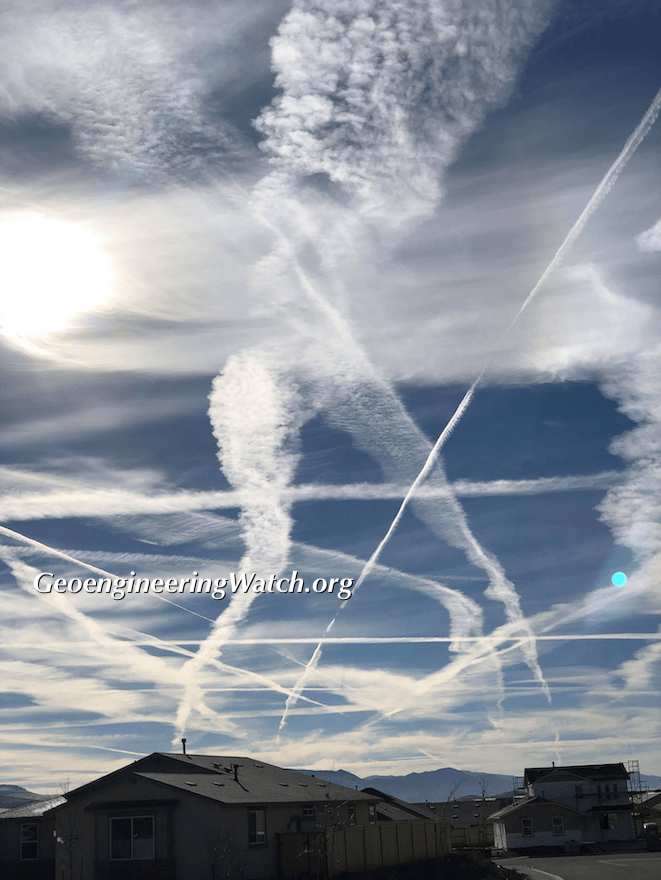
Blood alterations VI Implications and Consequences

Blood Alterations V Sources of Current
https://carnicominstitute.org/blood-alterations-v-sources-of-current/

At the very least we must admit to a pattern in place and good cause to justify the inquiry. At this point, I suspect that the campaign to “induct” the population into unsubstantiated and untested health “therapies” modifies human electromagnetics. It is entirely reasonable to question if such change is sufficient to transform human blood.
The scientific and journalism professions exist to confirm or refute this proposal; we each bear responsibility to ensure that this process takes place. As stated, the time available to do so is no longer at your option.
Blood Alterations IV Foreign Protein Analysis
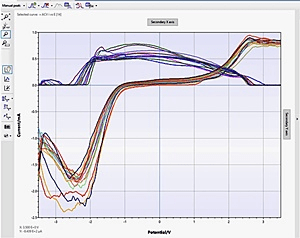
Blood Alterations II Means and Methods

Blood I Coagulation
Blood alterations III Transformation

The Effects of Microwaves on the Central Nervous System 1965 German Ford Motor Company
Biological effects of Power Frequency Electric and Magnetic Fields Carnegie Mellon University 1989 US Congress OTA
Among the responses demonstrated in laboratory studies using animal ce!ls and
tissue are:
• modulation of ion flows;
• interference with DNA synthesis and RNA transcription;
• interaction with the response of normal cells to various agents and biochemicals such as
hormones, neurotransmitters, and growth factors;
• interaction with the biochemical kinetics of cancer cells.
via dr Zory Glaser
https://magdahavas.com/from-zorys-archive/introduction-to-from-zorys-archive/
Cellular Phone Task Force sending delegate to the United Nations Cop 27 in Egypt
Evidence that dirty electricity is causing the worldwide epidemics of obesity and diabetes
More Studies Confirm the COVID Jab Does More Harm Than Good
” A guide to reading health care news stories”, “how to survive the medical misinformation mess” ….
For the mainstream medical and media fields
The Military’s Impact on the Environment
Click to access briefing-paper.pdf
A NEGLECTED ASPECT OF THE SUSTAINABLE DEVELOPMENT DEBATE
A Briefing Paper for States and Non-Governmental Organisations
International Peace Bureau, Geneva
August 2002
At what Cop XX will we finally present them a bill?
The Long-Term International Law implications of Targeted Killing Practices -Harvard International Law Journal
Using International Law to Combat Unlawful Targeted Killings
Oxford academic
https://doi.org/10.1093/acprof:oso/9780199588817.003.0071
International law does not offer any recognized definition of what constitutes a ‘targeted killing’ and the confluence of diverse legal frameworks further complicates matters. For the purpose of discussion, targeted killing is defined as the intentional, premeditated, and deliberate use of lethal force, by States or their agents acting under colour of law, or by an organized armed group in armed conflict, against a specific individual who is not in the physical custody of the perpetrator. In recent years such killings have been justified both as a legitimate response to ‘terrorist’ threats and as a necessary response to the challenges of ‘asymmetric warfare’. The invocation of these justifications has led to a highly problematic blurring of the boundaries of the applicable legal frameworks, which include human rights law, the laws of war, and the law applicable to the use of inter-State force. Moreover, the States concerned have often failed to specify the legal justification for their policies, to disclose the safeguards in place to ensure that targeted killings are in fact legal and accurate, or to provide accountability mechanisms for violations. Most troublingly, they have refused to disclose who has been killed, for what reason, and with what collateral consequences. The result has been the displacement of clear legal standards with a vaguely defined licence to kill, and the creation of a major accountability vacuum. This chapter spells out the appropriate legal framework and identifies measures that should be taken to ensure appropriate accountability.
Targeted killing in International Law – Oxford Scholarship
https://oxford.universitypressscholarship.com/viewByDoi/10.1093/acprof:oso/9780199533169.001.0001
This book is a comprehensive analysis of the lawfulness of state-sponsored targeted killings under international human rights and humanitarian law.
Mosquitoes modified to vaccinate
https://www.activistpost.com/2022/09/genetically-modified-mosquitoes-vaccinate-a-human.html
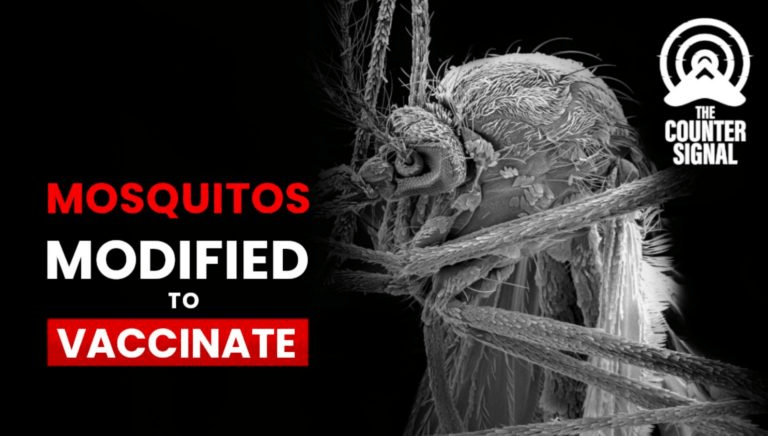
If they can vaccinate, they can “inject” any potentially deadly substance into the body, cannot they?
To turn nature against humanity is punishable by objective universal justice. We behave as if this planet belonged to us. It does not, only for the “appointed season” and then we have to pay the bills and taxes. And taxes are very progressive and no exemptions of any kind. The higher one gets, the higher tax he/she pays.
Weaponization of The Electromagnetic Spectrum – Cyber Torture
Our brains are the new global battlefields
WHO Public hearings second round until 13.9. An opportunity to express in a video form your opinion about the legally binding agreement to handle the control to WHO. The proposed amendment to the International Health Regulations
https://inb.who.int/home/public-hearings/
https://inb.who.int/home/public-hearings/second-round
Vážení spoluobčané, pokud nechcete, aby byl schválen navrhovaný dodatek k Mezinárodním zdravotním předpisům Světové zdravotnické organizace, jejímž členem naše republika je spolu s dalšími 193 státy, tak máte možnost své přání nebo volbu vyjádřit formou natočeného 1.5 minutového videa, které s textem pošlete WHO prostřednictvím níže uvedených instrukcí během následujících 4 dnů v určených jazycích. Kromě toho je třeba vyzývat naše vládní představitele, kteří budou na toto téma v WHO na konci měsíce hlasovat, aby byli proti. Nejedná se nyní o pandemickou dohodu, ale o rozšíření pravomocí WHO, která by potom mohla právně požadovat povinné plnění svých nařízení s možností zpětné kontroly. To znamená, že její rozhodnutí by měla moc i nad našimi soudy. Tedy jde o ztrátu suverenity státu ale i o vaši vlastní svobodu, protože by vám mohlo být soudně nařízeno povinné očkování, inokulace, testování, teoreticky cokoliv, jak vidíme a slyšíme každý den.
Via RamolaD report
Radio Wave Packet
How Your DNA Tests Could Make You a Target For Bioweapons
TECHNOLOGICAL DEVELOPMENTIMPLICATIONS FOR CZECH ARMED FORCES CAPABILITIES 2019
Geoengineering Affects You, Your Environment, and Your Loved Ones
Exposing the climate geoengineering cover-up
Source: Geoengineering Affects You, Your Environment, and Your Loved Ones
America’s New “Angels of Death”: Inject Humanity with a Gene-altering Death-dealing Technology. Medical Professionals Cannot Claim Ignorance
and Europe and the majority of the planet
Source: America’s New “Angels of Death”: Inject Humanity with a Gene-altering Death-dealing Technology. Medical Professionals Cannot Claim Ignorance
Australian intentional release of GMO plant and disease material
Details on the applications and licences for Dealings involving an intentional release (DIR) of a GMO into the environment.
https://www.ogtr.gov.au/what-weve-approved/dealings-involving-intentional-release
Why Are Some Apples Seedless?
If thinking, what would one think is sustainable from those two in the longer term?
Acting in the public interest
I thought we could fight the dragon, but how can you fight stupidity?
Federal Register – Notice of Declaration Under the Public Readiness and Emergency Preparedness Act for Countermeasures Against Marburgvirus and/or Marburg Disease
The Secretary is issuing this Declaration pursuant to section 319F-3 of the Public Health Service Act to provide limited immunity for activities related to countermeasures against marburgvirus and/or Marburg disease.
DATES:
The Declaration is effective as of November 25, 2020.
Click to access 2020-26972.pdf
SUPPLEMENTARY INFORMATION:
The Public Readiness and Emergency Preparedness Act (PREP Act) authorizes the Secretary of Health and Human Services (the Secretary) to issue a Declaration to provide liability immunity to certain individuals and entities (Covered Persons) against any claim of loss caused by, arising out of, relating to, or resulting from the manufacture, distribution, administration, or use of medical countermeasures (Covered Countermeasures), except for claims involving “willful misconduct” as defined in the PREP Act. This Declaration is subject to amendment as circumstances warrant.
The PREP Act was enacted on December 30, 2005, as Public Law 109-148, Division C, Section 2. It amended the Public Health Service (PHS) Act, adding Section 319F-3, which addresses liability immunity, and Section 319F-4, which creates a compensation program. These sections are codified at 42 U.S.C. 247d-6d and 42 U.S.C. 247d-6e, respectively.
The Pandemic and All-Hazards Preparedness Reauthorization Act (PAHPRA), Public Law 113-5, was enacted on March 13, 2013. Among other things, PAHPRA added sections 564A and 564B to the Federal Food, Drug, and Cosmetic (FD&C) Act to provide new authorities for the emergency use of approved products in emergencies and products held for emergency use. PAHPRA accordingly amended the definitions of “Covered Countermeasures” and “qualified pandemic and epidemic products” in Section 319F-3 of the Public Health Service Act (PREP Act provisions), so that products made available under these new FD&C Act authorities could be covered under PREP Act Declarations. PAHPRA also extended the definition of qualified pandemic and epidemic products that may be covered under a PREP Act Declaration to include products or technologies intended to enhance the use or effect of a drug, biological product, or device used against the pandemic or epidemic or against adverse events from these products. The Coronavirus Aid, Relief, and Economic Security (CARES) Act, Public Law 116-136, enacted on March 27, 2020, amended section 319F-3(i)(1)(D) of the PHS Act, to create a new category of covered countermeasures to the PREP Act, namely, respiratory protective devices approved by the National Institute for Occupational Safety and Health (NIOSH) under 42 CFR part 84, or any successor regulations, that the Secretary determines to be a priority for use during a public health emergency declared under section 319 of the PHS Act.
Marburg disease is a severe and often fatal illness in humans caused by marburgviruses, a group of filoviruses of the same family as ebolaviruses. Marburg disease is a highly virulent disease that causes hemorrhagic fever, with a case fatality rate of approximately 88 percent. Humans can become infected with marburgviruses, but it is largely unknown how marburgvirus transmits from its animal host to humans. For previous cases, unprotected contact with infected bat feces or aerosols was deemed the most likely route of infection. After the initial crossover of the virus from host animal to humans, transmission can occur through person-to-person contact. This may happen in several ways: Direct contact to droplets of body fluids from infected persons, or contact with equipment and other objects contaminated with infectious blood or tissues. The virus can spread between humans in close environments and through direct contact. A common route of infection is through nosocomial transmission.
Marburgvirus was first recognized in 1967, when outbreaks of hemorrhagic fever occurred simultaneously in laboratories in Marburg and Frankfurt, Germany and in Belgrade, Yugoslavia (now Serbia). Thirty-one people became ill, initially laboratory workers followed by several medical personnel and family members who had cared for them; seven deaths were reported. The first people infected had been exposed to imported African green monkeys or their tissues while conducting research.
From 1975-2014, there have been 10 reported outbreaks of Marburg disease, and all but one of these outbreaks had an apparent or suspected origin in Africa. These outbreaks have resulted in a total of 435 reported human cases of Marburg disease and 366 deaths among those reported cases; a case fatality rate of approximately of 84%. The recurrent but unpredictable and variable nature of Marburg disease outbreaks and the transmission profile makes marburgviruses a threat to the public health security of the American people, requiring vigilance and a continuing need for development of medical countermeasures. Similar to determinations and experiences with Ebola virus outbreaks, marburgvirus has been determined to have the potential to be a threat to US public health security.
Description of This Declaration by Section
Section I. Determination of Public Health Emergency or Credible Risk of Future Public Health Emergency
Before issuing a Declaration under the PREP Act, the Secretary is required to determine that a disease or other health condition or threat to health constitutes a public health emergency or that there is a credible risk that the disease, condition, or threat may constitute such an emergency.
This determination is separate and apart from the Declaration issued by the Secretary under Section 319 of the PHS Act that a disease or disorder presents a public health emergency or that a public health emergency, including significant outbreaks of infectious diseases or bioterrorist attacks, otherwise exists, or other Declarations or determinations made under other authorities of the Secretary. Accordingly, in Section I of the Declaration, the Secretary determines that marburgviruses and Marburg disease are a credible risk such that Marburg disease or marburgviruses may in the future constitute a public health emergency.
Section II. Factors Considered by the Secretary
In deciding whether and under what circumstances to issue a Declaration with respect to a Covered Countermeasure, the Secretary must consider the desirability of encouraging the design, development, clinical testing or investigation, manufacture, labeling, distribution, formulation, packaging, marketing, promotion, sale, purchase, donation, dispensing, prescribing, administration, licensing, and use of the countermeasure. In Section II of the Declaration, the Secretary states that he has considered these factors.
Section III. Activities Covered by This Declaration Under the PREP Act’s Liability Immunity
The Secretary must delineate the activities for which the PREP Act’s liability immunity is in effect. These activities may include, under conditions as the Secretary may specify, the manufacture, testing, development, distribution, administration, or use of one or more Covered Countermeasures (Recommended Activities). In Section III of the Declaration, the Secretary sets out the activities for which the immunity is in effect.
Section IV. Limited Immunity
The Secretary must also state that liability protections available under the PREP Act are in effect with respect to the Recommended Activities. These liability protections provide that, “[s]ubject to other provisions of [the PREP Act], a covered person shall be immune from suit and liability under federal and state law with respect to all claims for loss caused by, arising out of, relating to, or resulting from the administration to or use by an individual of a covered countermeasure if a Declaration has been issued with respect to such countermeasure.” In Section IV of the Declaration, the Secretary states that liability protections are in effect with respect to the Recommended Activities.
Section V. Covered Persons
The PREP Act’s liability immunity applies to “Covered Persons” with respect to administration or use of a Covered Countermeasure. The term “Covered Persons” has a specific meaning and is defined in the PREP Act to include manufacturers, distributors, program planners, and qualified persons, and their officials, agents, and employees, and the United States. The PREP Act further defines the terms “manufacturer,” “distributor,” “program planner,” and “qualified person” as described below.
A manufacturer includes a contractor or subcontractor of a manufacturer; a supplier or licenser of any product, intellectual property, service, research tool or component or other article used in the design, development, clinical testing, investigation or manufacturing of a Covered Countermeasure; and any or all the parents, subsidiaries, affiliates, successors, and assigns of a manufacturer.
A distributor means a person or entity engaged in the distribution of drugs, biologics, or devices, including but not limited to: Manufacturers; re-packers; common carriers; contract carriers; air carriers; own-label distributors; private-label distributors; jobbers; brokers; warehouses and wholesale drug warehouses; independent wholesale drug traders; and retail pharmacies.
A program planner means a state or local government, including an Indian tribe; a person employed by the state or local government; or other person who supervises or administers a program with respect to the administration, dispensing, distribution, provision, or use of a Covered Countermeasure, including a person who establishes requirements, provides policy guidance, or supplies technical or scientific advice or assistance or provides a facility to administer or use a Covered Countermeasure in accordance with the Secretary’s Declaration. Under this definition, a private sector employer or community group or other “person” can be a program planner when it carries out the described activities.
A qualified person means a licensed health professional or other individual authorized to prescribe, administer, or dispense Covered Countermeasures under the law of the state in which the Covered Countermeasure was prescribed, administered, or dispensed; or a person within a category of persons identified as qualified in the Secretary’s Declaration. Under this definition, the Secretary can describe in the Declaration other qualified persons, such as volunteers, who are Covered Persons. Section V describes other qualified persons covered by this Declaration. The PREP Act also defines the word “person” as used in the Act: A person includes an individual, partnership, corporation, association, entity, or public or private corporation, including a federal, state, or local government agency or department.
Section V of the Declaration describes Covered Persons, including Qualified Persons. The Declaration includes all persons and entities defined as Covered Persons under the PREP Act.
Section VI. Covered Countermeasures
As noted above, Section III of the Declaration describes the activities (referred to as “Recommended Activities”) for which liability immunity is in effect. Section VI of the Declaration identifies the Covered Countermeasures for which the Secretary has recommended such activities. The PREP Act states that a “Covered Countermeasure” must be a “qualified pandemic or epidemic product,” or a “security countermeasure,” as described immediately below; a drug, biological product or device authorized for emergency use in accordance with Sections 564, 564A, or 564B of the FD&C Act; or respiratory protective devices approved by the National Institute for Occupational Safety and Health (NIOSH) under 42 CFR part 84, or any successor regulations, that the Secretary determines to be a priority for use during a public health emergency declared under section 319 of the PHS Act.
A qualified pandemic or epidemic product means a drug or device, as defined in the FD&C Act or a biological product, as defined in the PHS Act that is (i) Manufactured, used, designed, developed, modified, licensed or procured to diagnose, mitigate, prevent, treat, or cure a pandemic or epidemic or limit the harm such a pandemic or epidemic might otherwise cause; (ii) manufactured, used, designed, developed, modified, licensed, or procured to diagnose, mitigate, prevent, treat, or cure a serious or life-threatening disease or condition caused by such a drug, biological product, or device; (iii) or a product or technology intended to enhance the use or effect of such a drug, biological product, or device.
A security countermeasure is a drug or device, as defined in the FD&C Act or a biological product, as defined in the PHS Act that (i)(a) The Secretary determines to be a priority to diagnose, mitigate, prevent, or treat harm from any biological, chemical, radiological, or nuclear agent identified as a material threat by the Secretary of Homeland Security, or (b) to diagnose, mitigate, prevent, or treat harm from a condition that may result in adverse health consequences or death and may be caused by administering a drug, biological product, or device against such an agent; and (ii) is determined by the Secretary of Health and Human Services to be a necessary countermeasure to protect public health.
To be a Covered Countermeasure, qualified pandemic or epidemic products or security countermeasures also must be approved or cleared under the FD&C Act; approved by the National Institute for Occupational Safety and Health (NIOSH) under 42 CFR part 84, or any successor regulations, that the Secretary determines to be a priority for use during a public health emergency declared under section 319 of the PHS Act; licensed under the PHS Act; or authorized for emergency use under Sections 564, 564A, or 564B of the FD&C Act.
A qualified pandemic or epidemic product also may be a Covered Countermeasure when it is subject to an exemption (that is, it is permitted to be used under an Investigational Drug Application or an Investigational Device Exemption) under the FD&C Act and is the object of research for possible use for diagnosis, mitigation, prevention, treatment, or cure, or to limit harm of a pandemic or epidemic or serious or life-threatening condition caused by such a drug or device.
A security countermeasure also may be a Covered Countermeasure if it may reasonably be determined to qualify for approval or licensing within 10 years after the Department’s determination that procurement of the countermeasure is appropriate.
Section VI lists countermeasures against marburgvirus and/or Marburg disease that are Covered Countermeasures under this declaration.
Section VI also refers to the statutory definitions of Covered Countermeasures to make clear that these statutory definitions limit the scope of Covered Countermeasures. Specifically, the Declaration notes that Covered Countermeasures must be “qualified pandemic or epidemic products,” or “security countermeasures,” or drugs, biological products, respiratory protective devices, or devices authorized for investigational or emergency use, as those terms are defined in the PREP Act, the FD&C Act, and the Public Health Service Act.
Section VII. Limitations on Distribution
The Secretary may specify that liability immunity is in effect only to Covered Countermeasures obtained through a particular means of distribution. The Declaration states that liability immunity is afforded to Covered Persons for Recommended Activities related to (a) Present or future federal contracts, cooperative agreements, grants, other transactions, interagency agreements, or memoranda of understanding or other federal agreements; or (b) Activities authorized in accordance with the public health and medical response of the Authority Having Jurisdiction to prescribe, administer, deliver, distribute, or dispense the Covered Countermeasures following a Declaration of an emergency.
Section VII defines the terms “Authority Having Jurisdiction” and “Declaration of an emergency.” We have specified in the definition that Authorities having jurisdiction include federal, state, local, and tribal authorities and institutions or organizations acting on behalf of those governmental entities.
For governmental program planners only, liability immunity is afforded only to the extent they obtain Covered Countermeasures through voluntary means, such as (1) donation; (2) commercial sale; (3) deployment of Covered Countermeasures from federal stockpiles; or (4) deployment of donated, purchased, or otherwise voluntarily obtained Covered Countermeasures from state, local, or private stockpiles. This last limitation on distribution is intended to deter program planners that are government entities from seizing privately held stockpiles of Covered Countermeasures. It does not apply to any other Covered Persons, including other program planners who are not government entities.
Section VIII. Category of Disease, Health Condition, or Threat
The Secretary must identify in the Declaration, for each Covered Countermeasure, the categories of diseases, health conditions, or threats to health for which the Secretary recommends the administration or use of the countermeasure. In Section VIII of the Declaration, the Secretary states that the disease threat for which he recommends administration or use of the Covered Countermeasures is Marburg disease caused by marburgviruses or virus mutating therefrom.
Section IX. Administration of Covered Countermeasures
The PREP Act does not explicitly define the term “administration” but does assign the Secretary the responsibility to provide relevant conditions in the Declaration. In Section IX of the Declaration, the Secretary defines “Administration of a Covered Countermeasure,” as follows:
Administration of a Covered Countermeasure means physical provision of the countermeasures to recipients, or activities and decisions directly relating to public and private delivery, distribution, and dispensing of the countermeasures to recipients; management and operation of countermeasure programs; or management and operation of locations for purpose of distributing and dispensing countermeasures.
The definition of “administration” extends only to physical provision of a countermeasure to a recipient, such as vaccination or handing drugs to patients, and to activities related to management and operation of programs and locations for providing countermeasures to recipients, such as decisions and actions involving security and queuing, but only insofar as those activities directly relate to the countermeasure activities. Claims for which Covered Persons are provided immunity under the Act are losses caused by, arising out of, relating to, or resulting from the administration to or use by an individual of a Covered Countermeasure consistent with the terms of a Declaration issued under the Act. Under the definition, these liability claims are precluded if they allege an injury caused by a countermeasure, or if the claims are due to manufacture, delivery, distribution, dispensing, or management and operation of countermeasure programs at distribution and dispensing sites.
Thus, it is the Secretary’s interpretation that, when a Declaration is in effect, the Act precludes, for example, liability claims alleging negligence by a manufacturer in creating a vaccine, or negligence by a health care provider in prescribing the wrong dose, absent willful misconduct. Likewise, the Act precludes a liability claim relating to the management and operation of a countermeasure distribution program or site, such as a slip-and-fall injury or vehicle collision by a recipient receiving a countermeasure at a retail store serving as an administration or dispensing location that alleges, for example, lax security or chaotic crowd control. However, a liability claim alleging an injury occurring at the site that was not directly related to the countermeasure activities is not covered, such as a slip and fall with no direct connection to the countermeasure’s administration or use. In each case, whether immunity is applicable will depend on the particular facts and circumstances.
Section X. Population
The Secretary must identify, for each Covered Countermeasure specified in a Declaration, the population or populations of individuals for which liability immunity is in effect with respect to administration or use of the countermeasure. Section X of the Declaration identifies which individuals should use the countermeasure or to whom the countermeasure should be administered—in short, those who should be vaccinated or take a drug or other countermeasure. Section X provides that the population includes “any individual who uses or who is administered a Covered Countermeasure in accordance with the Declaration.”
It should be noted that under the PREP Act, liability protection extends beyond the Population specified in the Declaration. Specifically, liability immunity is afforded (1) To manufacturers and distributors without regard to whether the countermeasure is used by or administered to this population, and (2) to program planners and qualified persons when the countermeasure is either used by or administered to this population or the program planner or qualified person reasonably could have believed the recipient was in this population. Section X of the Declaration includes these statutory conditions in the Declaration for clarity.
Section XI. Geographic Area
The Secretary must identify, for each Covered Countermeasure specified in the Declaration, the geographic area or areas for which liability immunity is in effect, including, as appropriate, whether the Declaration applies only to individuals physically present in the area or, in addition, applies to individuals who have a described connection to the area. Section XI of the Declaration provides that liability immunity is afforded for the administration or use of a Covered Countermeasure without geographic limitation. This could include claims related to administration or use in countries outside the U.S. It is possible that claims may arise in regard to administration or use of the Covered Countermeasures outside the U.S. that may be resolved under U.S. law.
In addition, the PREP Act specifies that liability immunity is afforded (1) to manufacturers and distributors without regard to whether the countermeasure is used by or administered to individuals in the geographic areas, and (2) to program planners and qualified persons when the countermeasure is either used or administered in the geographic areas or the program planner or qualified person reasonably could have believed the countermeasure was used or administered in the areas. Section XI of the Declaration includes these statutory conditions in the Declaration for clarity.
Section XII. Effective Time Period
The Secretary must identify, for each Covered Countermeasure, the period or periods during which liability immunity is in effect, designated by dates, milestones, or other description of events, including factors specified in the PREP Act. Section XII of the Declaration extends the effective period for different means of distribution of Covered Countermeasures through August 1, 2025.
Section XIII. Additional Time Period of Coverage
The Secretary must specify a date after the ending date of the effective time period of the Declaration that is reasonable for manufacturers to arrange for disposition of the Covered Countermeasure, including accepting returns of Covered Countermeasures, and for other Covered Persons to take appropriate actions to limit administration or use of the Covered Countermeasure. In addition, the PREP Act specifies that, for Covered Countermeasures that are subject to a Declaration at the time they are obtained for the Strategic National Stockpile (SNS) under 42 U.S.C. 247d-6b(a), the effective period of the Declaration extends through the time the countermeasure is used or administered. Liability immunity under the provisions of the PREP Act and the conditions of the Declaration continue during these additional time periods. Thus, liability immunity is afforded during the “Effective Time Period,” described under Section XII of the Declaration, plus the “Additional Time Period” described under Section XIII of the Declaration.
Section XIII of the Declaration provides for 12 months as the Additional Time Period of coverage after expiration of the Declaration. Section XIII also explains the extended coverage that applies to any product obtained for the SNS during the effective period of the Declaration.
Section XIV. Countermeasures Injury Compensation Program
Section 319F-4 of the PHS Act, 42 U.S.C. 247d-6e, authorizes the Countermeasures Injury Compensation Program (CICP) to provide benefits to eligible individuals who sustain a serious physical injury or die as a direct result of the administration or use of a Covered Countermeasure. Compensation under the CICP for an injury directly caused by a Covered Countermeasure is based on the requirements set forth in this Declaration, the administrative rules for the Program, and the statute. To show direct causation between a Covered Countermeasure and a serious physical injury, the statute requires “compelling, reliable, valid, medical and scientific evidence.” The administrative rules for the Program further explain the necessary requirements for eligibility under the CICP. Please note that, by statute, requirements for compensation under the CICP may not align with the requirements for liability immunity provided under the PREP Act. Section XIV of the Declaration, “Countermeasures Injury Compensation Program,” explains the types of injury and standard of evidence needed to be considered for compensation under the CICP.
Further, the administrative rules for the CICP specify that if countermeasures are administered or used outside the United States, only otherwise eligible individuals at United States embassies, military installations abroad (such as military bases, ships, and camps) or at North Atlantic Treaty Organization (NATO) installations (subject to the NATO Status of Forces Agreement) where American servicemen and servicewomen are stationed may be considered for CICP benefits. Other individuals outside the United States may not be eligible for CICP benefits.
Section XV. Amendments
Section XV of the Declaration confirms that the Secretary may amend any portion of this Declaration through publication in the Federal Register.
Declaration
Declaration for Public Readiness and Emergency Preparedness Act Coverage for Countermeasures Against Marburgvirus and/or Marburg Disease
I. Determination of Public Health Emergency
42 U.S.C. 247d-6d(b)(1)
I have determined that Marburg disease and marburgviruses are a credible risk such that Marburg disease or marburgviruses may in the future constitute a public health emergency. This Declaration must be construed in accordance with the Advisory Opinions of the Office of the General Counsel (Advisory Opinions). I incorporate those Advisory Opinions as part of this Declaration.[1] This Declaration is a “requirement” under the PREP Act.
II. Factors Considered
42 U.S.C. 247d-6d(b)(6)
I have considered the desirability of encouraging the design, development, clinical testing, or investigation, manufacture, labeling, distribution, formulation, packaging, marketing, promotion, sale, purchase, donation, dispensing, prescribing, administration, licensing, and use of the Covered Countermeasures.
III. Recommended Activities
42 U.S.C. 247d-6d(b)(1)
I recommend, under the conditions stated in this Declaration, the manufacture, testing, development, distribution, administration, and use of the Covered Countermeasures.
IV. Liability Immunity
42 U.S.C. 247d-6d(a), 247d-6d(b)(1)
Liability immunity as prescribed in the PREP Act and conditions stated in this Declaration is in effect for the Recommended Activities described in Section III.
V. Covered Persons
42 U.S.C. 247d-6d(i)(2), (3), (4), (6), (8)(A) and (B)
Covered Persons who are afforded liability immunity under this Declaration are “manufacturers,” “distributors,” “program planners,” “qualified persons,” and their officials, agents, and employees, as those terms are defined in the PREP Act, and the United States. In addition, I have determined that the following additional persons are qualified persons: (a) Any person authorized in accordance with the public health and medical emergency response of the Authority Having Jurisdiction, as described in Section VII below, to prescribe, administer, deliver, distribute or dispense the Covered Countermeasures, and their officials, agents, employees, contractors and volunteers, following a Declaration of an emergency; (b) any person authorized to prescribe, administer, or dispense the Covered Countermeasures or who is otherwise authorized to perform an activity under an Emergency Use Authorization in accordance with Section 564 of the FD&C Act; and (c) any person authorized to prescribe, administer, or dispense Covered Countermeasures in accordance with Section 564A of the FD&C Act.
VI. Covered Countermeasures
42 U.S.C. 247d-6b(c)(1)(B), 42 U.S.C. 247d-6d(i)(1) and (7)
Covered Countermeasures are any antiviral, any other drug, any biologic, any diagnostic, any other device, or any vaccine, used to treat, diagnose, cure, prevent, or mitigate Marburg disease, or the transmission of marburgviruses or a virus mutating therefrom, or any device used in the administration of any such product, and all components and constituent materials of any such product, or countermeasures for adverse effects of these countermeasures, and countermeasures that otherwise limit the harm caused by the health threat.
Covered Countermeasures must be “qualified pandemic or epidemic products,” or “security countermeasures,” or drugs, biological products, respiratory protective devices or devices authorized for investigational or emergency use, as those terms are defined in the PREP Act, the FD&C Act, and the Public Health Service Act.
VII. Limitations on Distribution
42 U.S.C. 247d-6d(a)(5) and (b)(2)(E)
I have determined that liability immunity is afforded to Covered Persons only for Recommended Activities involving Covered Countermeasures that are related to:
(a) Present or future federal contracts, cooperative agreements, grants, other transactions, interagency agreements, memoranda of understanding, or other federal agreements; or
(b) Activities authorized in accordance with the public health and medical response of the Authority Having Jurisdiction to prescribe, administer, deliver, distribute or dispense the Covered Countermeasures following a Declaration of an emergency.
As used in this Declaration, the terms Authority Having Jurisdiction and Declaration of Emergency have the following meanings:
i. The Authority Having Jurisdiction means the public agency or its delegate that has legal responsibility and authority for responding to an incident, based on political or geographical (e.g., city, county, tribal, state, or federal boundary lines) or functional (e.g., law enforcement, public health) range or sphere of authority.
ii. A Declaration of Emergency means any Declaration by any authorized local, regional, state, or federal official of an emergency specific to events that indicate an immediate need to administer and use the Covered Countermeasures, with the exception of a federal Declaration in support of an Emergency Use Authorization under Section 564 of the FD&C Act unless such Declaration specifies otherwise;
I have also determined that, for governmental program planners only, liability immunity is afforded only to the extent such program planners obtain Covered Countermeasures through voluntary means, such as (1) donation; (2) commercial sale; (3) deployment of Covered Countermeasures from federal stockpiles; or (4) deployment of donated, purchased, or otherwise voluntarily obtained Covered Countermeasures from state, local, or private stockpiles.
VIII. Category of Disease, Health Condition, or Threat
42 U.S.C. 247d-6d(b)(2)(A)
The category of disease, health condition, or threat for which I recommend the administration or use of the Covered Countermeasures is Marburg disease caused by marburgviruses or virus mutating therefrom.
IX. Administration of Covered Countermeasures
42 U.S.C. 247d-6d(a)(2)(B)
Administration of the Covered Countermeasure means physical provision of the countermeasures to recipients, or activities and decisions directly relating to public and private delivery, distribution and dispensing of the countermeasures to recipients, management and operation of countermeasure programs, or management and operation of locations for purpose of distributing and dispensing countermeasures.
X. Population
42 U.S.C. 247d-6d(a)(4), 247d-6d(b)(2)(C)
The populations of individuals include any individual who uses or is administered the Covered Countermeasures in accordance with this Declaration.
Liability immunity is afforded to manufacturers and distributors without regard to whether the countermeasure is used by or administered to this population; liability immunity is afforded to program planners and qualified persons when the countermeasure is used by or administered to this population, or the program planner or qualified person reasonably could have believed the recipient was in this population.
XI. Geographic Area
42 U.S.C. 247d-6d(a)(4), 247d-6d(b)(2)(D)
Liability immunity is afforded for the administration or use of a Covered Countermeasure without geographic limitation.
Liability immunity is afforded to manufacturers and distributors without regard to whether the countermeasure is used by or administered in any designated geographic area; liability immunity is afforded to program planners and qualified persons when the countermeasure is used by or administered in any designated geographic area, or the program planner or qualified person reasonably could have believed the recipient was in that geographic area.
XII. Effective Time Period
42 U.S.C. 247d-6d(b)(2)(B)
Liability immunity for Covered Countermeasures through means of distribution, as identified in Section VII(a) of this Declaration, other than in accordance with the public health and medical response of the Authority Having Jurisdiction and extends through August 1, 2025.
Liability immunity for Covered Countermeasures administered and used in accordance with the public health and medical response of the Authority Having Jurisdiction begins with a Declaration and lasts through (1) the final day the emergency Declaration is in effect, or (2) August 1, 2025, whichever occurs first.
XIII. Additional Time Period of Coverage
42 U.S.C. 247d-6d(b)(3)(B) and (C)
I have determined that an additional 12 months of liability protection is reasonable to allow for the manufacturer(s) to arrange for disposition of the Covered Countermeasure, including return of the Covered Countermeasures to the manufacturer, and for Covered Persons to take such other actions as are appropriate to limit the administration or use of the Covered Countermeasures.
Covered Countermeasures obtained for the SNS during the effective period of this Declaration are covered through the date of administration or use pursuant to a distribution or release from the SNS.
XIV. Countermeasures Injury Compensation Program
42 U.S.C. 247d-6e
The PREP Act authorizes the Countermeasures Injury Compensation Program (CICP) to provide benefits to certain individuals or estates of individuals who sustain a covered serious physical injury as the direct result of the administration or use of the Covered Countermeasures, and benefits to certain survivors of individuals who die as a direct result of the administration or use of the Covered Countermeasures. The causal connection between the countermeasure and the serious physical injury must be supported by compelling, reliable, valid, medical and scientific evidence in order for the individual to be considered for compensation. The CICP is administered by the Health Resources and Services Administration, within the Department of Health and Human Services. Information about the CICP is available at the toll-free number 1-855-266-2427 or http://www.hrsa.gov/cicp/.
XV. Amendments
42 U.S.C. 247d-6d(b)(4)
Amendments to this Declaration will be published in the Federal Register, as warranted.
Authority: 42 U.S.C. 247d-6d
Dated: December 2, 2020.
Alex M. Azar II,
Secretary, Department of Health and Human Services.
Footnotes
1. See, e.g., Advisory Opinion on the Public Readiness and Emergency Preparedness Act and the March 10, 2020 Declaration under the Act, Apr. 17, 2020, as Modified on May 19, 2020, available at https://www.hhs.gov/guidance/sites/default/files/hhs-guidance-documents/prep-act-advisory-opinion-hhs-ogc.pdf (last visited Nov. 24, 2020); Advisory Opinion 20-02 on the Public Readiness and Emergency Preparedness Act and the Secretary’s Declaration under the Act, May 19, 2020, available at https://www.hhs.gov/guidance/sites/default/files/hhs-guidance-documents/advisory-opinion-20-02-hhs-ogc-prep-act.pdf (last visited Nov. 24, 2020); Advisory Opinion 20-03 on the Public Readiness and Emergency Preparedness Act and the Secretary’s Declaration under the Act, Oct. 22, 2020, as Modified on Oct. 23, 2020, available at https://www.hhs.gov/guidance/sites/default/files/hhs-guidance-documents/AO3.1.2_Updated_FINAL_SIGNED_10.23.20.pdf (last visited Nov. 24, 2020); Advisory Opinion 20-04 on the Public Readiness and Emergency Preparedness Act and the Secretary’s Declaration under the Act, Oct. 22, 2020, as Modified on Oct. 23, 2020, available at https://www.hhs.gov/guidance/sites/default/files/hhs-guidance-documents/AO%204.2_Updated_FINAL_SIGNED_10.23.20.pdf (last visited Nov. 24, 2020). This is not to suggest that other PREP Act declarations should be construed in a manner contrary to the interpretation provided in the Advisory Opinions. Back to Citation
[FR Doc. 2020-26972 Filed 12-8-20; 8:45 am]
BILLING CODE 4150-37-P
 What is this world without a further Divine purpose in it all? W. Whitman